When we hit the Motherload in La Malbaie

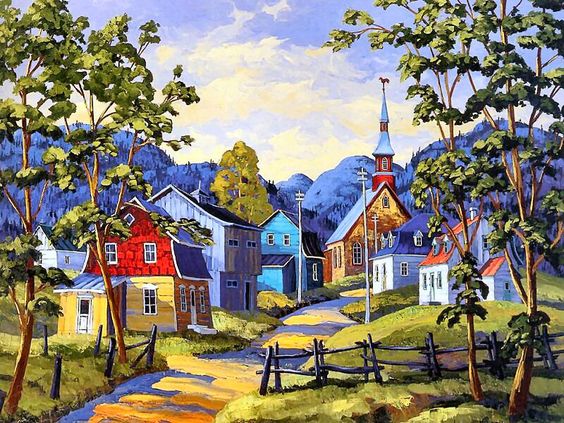
lamalbaieIn the late nineties when we were making regular picking trips to Quebec,  we would sometimes combine work with pleasure, and take an extra day or two to go exploring after making the rounds of the regular picking barns.  It was on one such trip in mid-summer when we had finished combing the barns around Victoriaville, that we headed up route 183 on the North Shore past Quebec city, to the Charlevoix region, and the town of La Malbaie.   Champlain named this place La Malbaie, or “the Bad Bay” when his ship got stuck in the harbour,  but it was known locally as Murray’s bay for years until 1967 brought a new awareness and emphasis on preserving our history.  Whatever you choose to call it, it is a beautiful and magical region of large rolling hills leading down to the mighty St. Lawrence river.  The wilderness is dotted with tiny, quaint villages made famous in paintings by Clarence Alphonse Gagnon, Marc Aurele Fortin and A.Y. Jackson, to name a few.  It has retained much of its early, rustic charm because the region was not easily accessible until the early sixties when the Quebec Government built the big highway, route 183.  However it has been a summer playground for the rich, both Canadian and American since the early 1900’s because its untouched natural beauty was accessible by boat along the St. Lawrence.  For this reason, you still find many impressive estates, and the magnificent Manoir Richelieu, established in 1899, with the current building being built in the style of a French Chateau in 1929.  It’s a wonderful region to explore, and only a two hour drive from Quebec city.
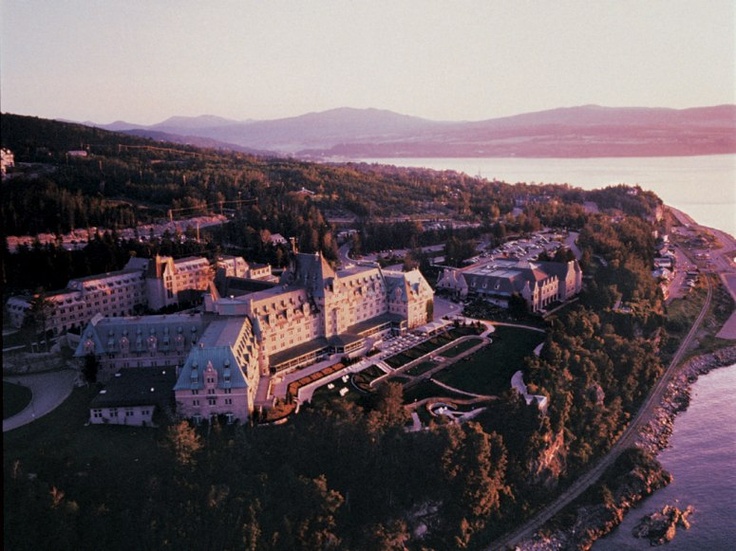
Manoir Richelieu

Manoir Richelieu

So on this occasion after a full day of enjoying the region we settled on a small strip motel along the river in town, which looked clean and inexpensive.  We had a great meal at the small, attached restaurant and settled in for a good night’s sleep. In the morning, we had breakfast and set about packing up to leave.  I was putting the cases in the truck when a pleasant looking middle aged man approached me.  “So I can see from your truck that you an antique picker.  Would you be interested in looking at some things I have for sale?”  I was a little taken aback as I was thinking about getting on the road, but answered “Well that’s what I’m here for so sure, what are we talking about.”  He explained that the antiques were not at the motel, but in a barn on the family farm, about a half hour drive away.  As it happened they had just sold the farm which had been in the family for years, and before the deal closed in a month’s time they had to clear a barn where they had stored the contents of their grandfather’s museum when it closed in the mid-sixties.  Their grandfather had  run a private museum in an old fishing boat which had been dragged up on shore along the river.  The kind of place you pay a quarter to go through. When they needed the land to build the new highway, he had to close, and at the time just moved everything, lock, stock and barrel to the barn on the family farm.  It had remained there untouched.   He explained that his grandfather was an eccentric who collected and displayed everything he could get his hands on, so that not everything in the barn could be considered a valuable antique.  There is a bit of everything there, furniture, farm implements, old signs,  bottles, eyeglasses,  furnishings, you name it.  Although the time frame seemed ominous, I was curious so we agreed to go and have a look.  What harm could it do.

by A.Y. Jackson

by A.Y. Jackson

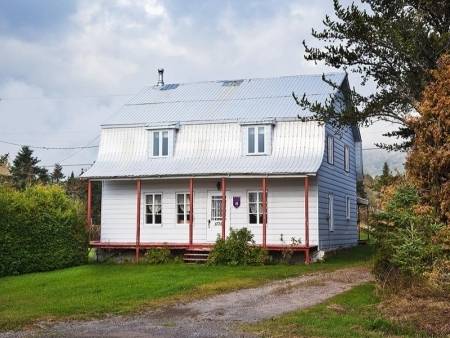
We followed him up and down the twisting country road, until finally reaching a charming, old Habitant farm house and barn looking out over a picture perfect valley.  We drove straight up to the barn.  It was not a large barn, but when we opened the door we could see that it was packed from wall to wall with every sort of thing.  So packed that there was no possibility of entering without hours of shifting large cupboards and the like.  And dark.  As our eyes adjusted we could see about a dozen large armoires absolutely overflowing with objects.  The whole space was chock a block with everything you could imagine.  We spotted several old bicycles, one being a tandem. Lots of books and paintings. Right away I spotted several nice old signs, both commercial on tin, and hand painted on wood. There were quite a few cash registers, dressers, tables, and six glass store display cases. There were benches  and beds, and dozens of cardboard boxes filled with God knows what.   . I could see that four or five of the armoires were really nice, and it seemed he was making an honest appraisal when he suggested that about 80% of it was good but not extraordinary, but that there was some very good things in there as well. As he spoke I scanned the room and made a mental note of  everything I could see. malbaie4
“So here’s the deal.  I want $20,000 for it all with the condition being that the barn must be cleared of everything by the sale date.  When you have everything you want, I know a couple of scrap dealers who will come and scoop up anything that is left, especially metal. There has to be about forty cash registers in there, and a lot of them are newer and nothing special, not to mention heavy so I doubt you will want to take them.”  I stood there in the sunshine, looking out over that beautiful valley and thought “this is a tough one. It would seem the value is there, but it is a hell of a lot of work, and this place is a long, long way from home.”   Jeanine looked over at me and shrugged.  “ O.K.”I said, “it’s a lot to take in. We are interested, but we need a little time to think about it.  Give me your number and I will call you back within 48 hours with an answer.”  He agreed and gave us 48 hours.

We then left after saying our goodbyes, turned west and headed towards home.  We didn’t talk about it until we had travelled for a couple of hours and stopped for a bit of lunch at a roadside food truck. When in Quebec I always have to get my poutine and “vapeur” fix.  A “vapeur” being a steamed hotdog in one of those funny Quebec buns. As we sat there at a picnic table looking out over the St. Lawrence towards Ile d’Orleans  we finally got around to discussing the elephant in the room. I started, “So, I’ve been thinking a lot about it, and we have to recognize that it is a rare opportunity to buy so much from one source.  Also, from what I could see there is easily $20,000 value, but how much more I’m not sure, and it is definitely a lot of work and expense getting it all back home. Not  to mention we only have a month to accomplish it.”.  Jeanine agreed and added “well let’s make a list of everything we could see, and assign what we would think to be a low retail value, and go from there.” We did this and determined that of what we could see, there was about $35,000  worth. Of course we also recognized that what we could see was just scratching the surface of what there was in total.  We drove a few hundred more miles and then Jeanine said “I think we should offer him $15,000, and if we get it fine. If he says no then let’s just pretend it didn’t happen.”  I agreed. It was obvious he was under pressure to find someone fast and if we were going to take it on, we had to be sure it was worth all the trouble.  Jeanine phoned him right away on the cell, her French being so much better than mine, and I was surprised to hear her offer what sounded to me like $10,000. Then there was a pause, and she gave me a big smile and thumbs up .  A moment later she was concluding the conversation by saying, “O.K. it’s a deal and we will be in touch when we got home to arrange the details.”  I looked at her and laughed.  “Am I correct that you made a snap decision there to offer him $10,000, and he agreed?” “Yes, well I was going to say $15,000 but then I started thinking it’s typical in Quebec to ask twice what you really want because everyone negotiates so fiercely, and $10,000 just came out of my mouth.  He jumped at it.”  Good work Jeanine.  Now we just have to go home and figure out what we’ve gotten ourselves into.

Next week – Bringing it back from La Malbaie.malbaie7
A rooster for Sue

roost2People who are creative have a need to create.  It’s in them, and it needs to come out.  For some, it manifests in the way they lead their daily lives, for others it takes the form of performance, or composition, or the manufacturing of an object, be it painting, drawing, sculpture, or other media.  They get up in the morning, put their thoughts and intuition in motion, and they create something.

My wife Jeanine is such a person.  She was active as a fine artist through the seventies and early eighties; exhibiting and teaching sculpture and other art making forms at Beal Art School in London, and for the University of Windsor art school in Chatham Ontario.  She was the head of that school for a couple of years actually, and made the one hour trip (each way) three days a week from our home in Delaware to the Chatham campus.  She sold lots of work, won awards, had one woman shows, and received grants. She was well respected, and completely involved in the contemporary Canadian art scene.  In 1981 when we both quit our jobs and moved to the old Methodist church in Wyecombe, Ontario, she also stopped her professional life as an exhibiting artist.  She had had enough of the game, and had developed new priorities; but that doesn’t mean she stopped being creative.roost4

In a previous blog I talked about Jeanine’s decorative painting of furniture.  Today I am conveying a little tale of the time she made a special gift for a friend.

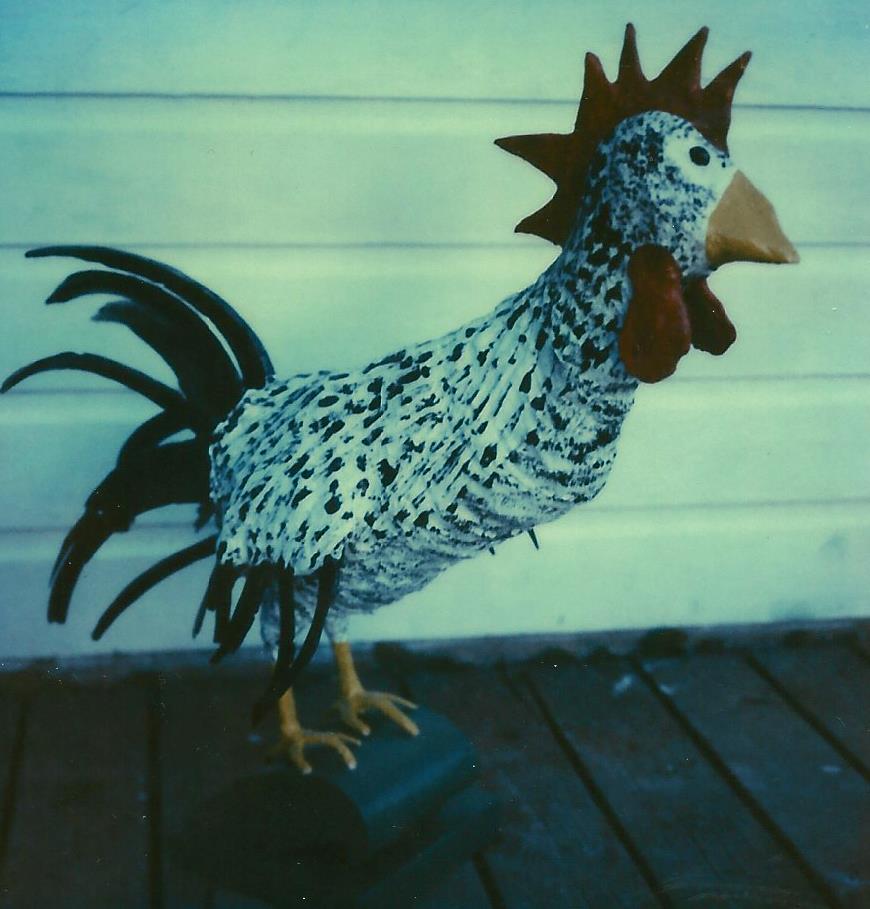
In the late eighties, we were doing a lot of antique shows with the same dealers, when one day an exciting new dealer came on the scene.  She was young, well in her thirties which is young for an antique dealer, had good taste in all things Canadiana and folk art, and was honest and dedicated.  She bought widely from the community and soon developed a sterling reputation.  We did some good business together, and quickly got to know and like Sue; so before long we were hanging out together, back and forth between our places, always having as a common bond a strong appreciation, and enthusiasm for folk art.  It came about one year that Jeanine wanted to make something special for Sue’s birthday.  Sue loved roosters.  She loved a lot of folk art, but she really loved roosters. So Jeanine decided to make a rooster for Sue. She confined herself to the workshop and set about with wire, paper-mache, and oil paint, and presto, several hours later emerged with a dandy of a large, cross-eyed, black and white rooster.  A fine specimen who portrayed the confidence and insolence of a truly fine cockerel.  We loved him, and were fairly confident that Sue would love him too.  At least we hoped so.  Giving people folk art, even to a folk art lover, can be a tricky business.roost3

And so Jeanine was feeling shy to present the work as her own for fear that Sue may not like it, but feel compelled to say she did because the artist was standing right there in front of her.  Thus we decided to create a folk artist to go along with the folk art.  Ah yes, now  M. Rooster was created by a previously unknown 65-year-old folk artist from the Baie St. Paul region of Quebec named Benoit Rotisserie.  Or something to that effect.  I honestly can’t remember. Then we dressed up Jeanine in old dungarees, fake mustache,a scarf and hat, and took a photograph of the artist next to his work.  We created a bio of the artist,document of authentication, and photo which all went into the box along with the sculpture.
Sue’s birthday came.  She opened the box and hooray, she was delighted with what she found inside; and we got to enjoy several minutes of snickering and grinning at each other before she began to put two and two together and started  to question the authentication.  Great fun was had by all, and Jeanine had the reassurance she desired.roost1

Four favourite folk art pieces by “unknown” artists

It is the day before Christmas eve, and I will soon be going downstairs to carve up apples for pies.  Here’s wishing you dear readers, a very Merry Christmas, or Happy Holidays as the case may be, and the best to all in 2017. Don’t let the door hit you in the arse on the way out 2016.  I think we will all be glad to be done with you.

So rather than go into a researched account of things past, or detailed description of some refinishing procedure, I am simply going to show you four of my favourite pieces in our collection, whose maker is unknown, and talk a bit about them.  I think it will be fun, and I will be able to get to the kitchen quicker.

Much folk art is unsigned.  Many who make folk art do so for their own gratification and therefore don’t bother to sign.  Others are perhaps unsure as to whether they want to own up to it. For whatever reason, it can be frustrating to a collector when you come across something you really like, and then can find no clues as to how to find other pieces by the same hand.  Sometimes you continue to find pieces you recognize are by the same maker in the same places, so you know you are getting close, and eventually you may be in the right place at the right time to have someone tell you who made them. Other times you may find a piece which totally blows you away, and never, ever see another piece like it.

Walking around the house I have chosen these four pieces for your consideration.un3

  1. Elephant on a fungus

We came across this unsigned piece on the second floor of Alan Chauvette’s pickers barn in St. Valere Quebec, in about 1985.  I remember the excitement I felt as I pulled it out from underneath a pile of blankets, and immediately fell in love.  Obviously local, the creator was dreaming of exotic, far-off Africa, with palm trees carved in relief against a blue sky.  I have always had a thing for the tree fungus you come across in the woods, which seem to scream out “do something with me”, and after finding lots of pieces involving fungus, I realize that there are many who share my enthusiasm.  For a while there I collected fungus folk art.  That was before Jeanine expressed that she found many of the pieces ugly,  and she developed a theory that they may be releasing spores into our environment,  so she would prefer that I move on.  This piece however, because she loves it as much as I do, and because the fungus is painted clearly falls into a different category.  I cannot logically explain why this piece falls into as Chuck Heston so famously put it, “if you want it, you’ll have to wrench it out of my cold, dead, hands”.  But it truly delights me every time I look at it.un2

  1. Chief Sam Goose

This piece was again found in Alan Chauvette’s barn about the same time.  All we could learn about it was that it was picked in New Brunswick, and had stood at the entrance to a Mi’kmaq reservation for many years.  Oil paint on plywood, it is a wonderful example of how time and nature can have a hand in making a truly unique piece.  If I were to see it new, I would enjoy it for it’s graphic qualities, but it is the fact that the paint has deteriorated into the grain of the plywood in such a beautiful way that it  looks as if the chief is looking at us through the fog of time.   I bought this piece for next to nothing, and actually put it out at three or four shows with a price tag of about $175. Then one day when packing up I took a good look at it and thought “are you crazy. This is a wonderful thing.  They’ve had their chance, and now it’s mine.”un4

  1. A couple of stout fellows from New Brunswick

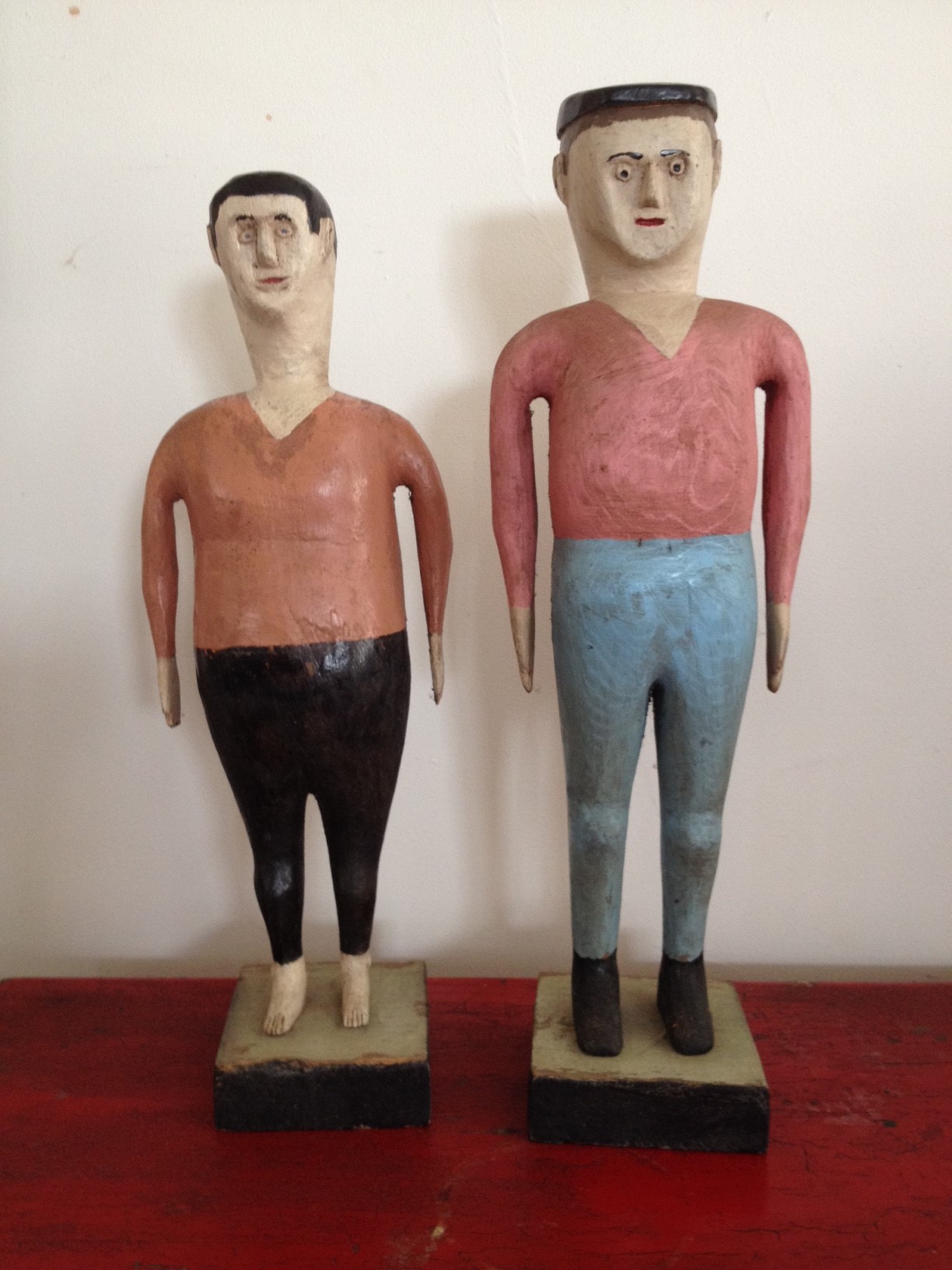
Again, it was love at first site.  This time it was in the early nineties and I was having a quick look around the Inside/Outside show held near the Toronto airport before the crowd was let in. I came across these fellows in the booth of Cathy Constantino, of Timber River Farms.  Cathy is a sweet woman and you can always count on her giving you a good deal so I simply asked for her best price.  She knew they were very good, but she gave me a reasonable price in any case based on her purchase price, which makes Cathy a “class act” in my books.  I put them in my case and didn’t show them to anyone for fear they would offer me “stupid” money, and I may be tempted by the bottom line.  You can’t eat art, but you can’t live without it either.  She actually did have the name of the artist, which I actually did write down in my day book which is how I kept track of everything in those days, but it would take me hours to go through those books to retrieve it now, and as I mentioned I am anxious to make pies. I will do it one day, and write it on a note underneath them but these fall into the category of “I never found another piece by the same artist.” So, it can wait.  Aren’t they just the greatest figures of manhood that you can possibly imagine.  They hit all my buttons.un5

  1. Two facing off Magpies

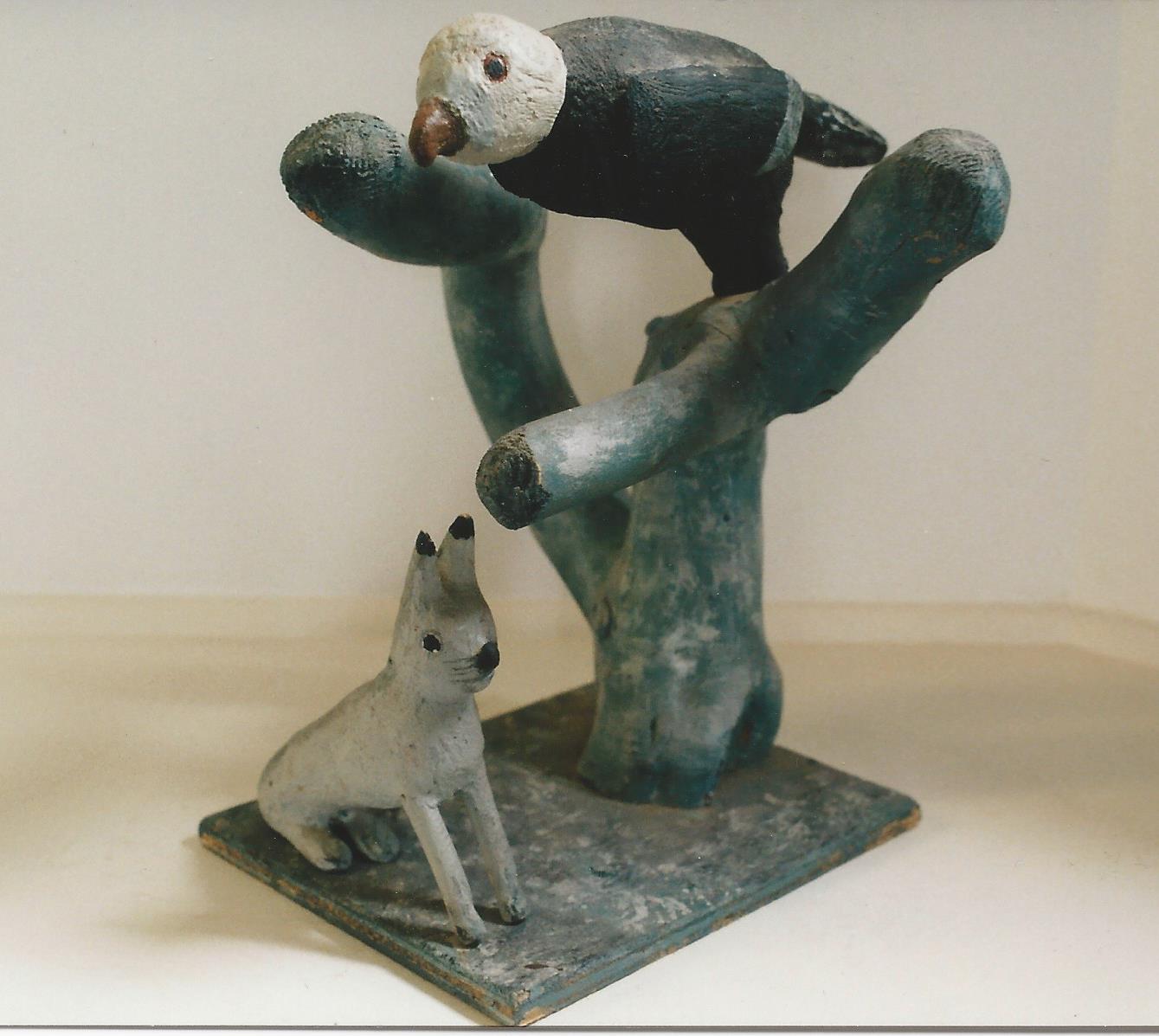
Last, but not least, we have a couple of Magpies facing down each other over a worm (missing). We acquired this at last spring’s Aberfoyle show, from the booth of Craig Gamache.  Jeanine has a large collection of bird carvings, and we knew right away that these fellows would have to be added, so it was with some relief that he offered them to us at a decent wholesale price.  He had no information on the artist but mentioned that there had been a twig, looking like a worm, between their beaks when he bought them; but the worm was broken when he found it, and had become lost.  One of these days I’ll get around to putting a new worm between them so the tug of war can continue, but in the meantime, it just looks like they are having an animated conversation.  As Magpies will do.

A Retrospective of the work of Ewald Rentz at the R.O.M. (almost)

rom1Most folk artists don’t see much recognition for their work during their lifetime.  To most it would never occur to them to expect it.  So it is particularly satisfying to note that two years before his death, the Thunder Bay Art Galley gave Ewald Rentz a major exhibition called “The “Completed” work of Ewald Rentz “.  This was not far from his village of Beardmore so many of his friends made it. His son Ernie told me that it meant a lot to him to have this recognition.  Rentz wasn’t at all interested in the commercial aspect of his art. He just wanted to please people. He was a modest man.rom4

Nova Scotia does a wonderful job of promoting it’s folk art and artists.   I think it is fair to say that this is largely due to the tireless work of Bernie Riordan during his long tenure as the director of the Art Gallery of Nova scotia, and to Chris Huntington who has sold and promoted Nova Scotia folk art since he arrived in Eagle Head in 1974. n 1988, Chris was instrumental in helping to establish the Nova Scotia Folk Art Festival which is held in Lunenburg during late July or early August of each year.  There are many others of course, but these two really got the ball rolling.

My home province of Ontario on the other hand has done little to promote this type of artwork, and so it was of great interest to me when in 1988 I was contacted by our friend Susan Murray whom at the time was a powerful lobbyist (since retired) and dedicated folk art collector.  She had set up a meeting with a person she met from The Royal Ontario Museum who expressed an interest in Canadian folk art.  Susan was and is a dedicated promoter of Canadian Folk Art. The someone in question was Dr. Howard Collinson, head of the department of Art and Culture for the museum.  This is what can come of rubbing elbows with the right people at the right parties, and having a very persuasive nature. rom3

It was a very exciting potential that we considered on the way over to the meeting.  I took to Howard immediately.  He was friendly and personable, but direct. He got right to the point, that the basement galleries of the museum needed to be changed. For decades it housed a rather uninteresting, and frankly in some cases incorrect representation of furnished rooms of Canadian homes of various periods.  It needed to go, and in it’s place he wanted something vital and relevant.  What he had in mind was a show of some sort on Ontario Folk Art.  We looked at pictures of several Ontario artist’s work, thinking this initial exhibit might be a cross section of artists, but when we got to the work of Ewald Rentz, he said “That’s it.  I want it to be a solo exhibition of this man’s work”.   Well alright then. I could see his reasoning.  Rentz’s work is very friendly and approachable, just like the man himself.  Let’s keep it simple and direct.  We went down to see the basement space and then agreed to meet again in a month or so. The timeline for the show was for late the following year, and he had a lot on his plate to deal with before he could dedicate any time to the project.  It all felt very positive and I began to look forward to getting started.rom5

Unfortunately, as these things sometimes go, the next thing I knew I was being contacted by a pleasant-sounding woman who informed me that the museum had a new director, and that Dr. Collinson was no longer with the gallery. She had taken over his position.  She stated that she was still interested in the project, but was currently unable to devote any time to it, having inherited many other more pressing issues.  My heart sank. I could sense from her description of the current situation at the museum, and from her tone that the chances of an Ewald Rentz exhibition at the R.O.M. was quickly becoming slight or most likely not at all. The one that got away.  I was right. She got back to me a few weeks later and said that the new director had imposed a completely different agenda for the department and that she could not see anything happening for the foreseeable future.  I was disappointed of course, but still held the desire to push for an exhibition of Canadian folk art somewhere, at some time.  I did realize this years later in 2005 with the Finding Folk Art exhibition at the Eva Brook Donley museum in Simcoe Ontario.  Admittedly it was not nearly as high profile, but it was a very good exhibition of which I am still proud.  But that’s a different story, for a different day.rom2

On buying a large collection of Quebec folk art

surrey and driver by  Albert Conrad Ranger, and documentaion

surrey and driver by
Albert Conrad Ranger, and documentation

Collectors collect, and then eventually die, and then most often it is up to the family to decide the fate of the collection.  In the cases were the subject of the collection is dear to the hearts of spouses and offspring things are dispersed within the family.  In other situations, no one is interested, and so it becomes the responsibility of the family to disperse that which had taken their loved one all those years to acquire. Sometimes collections get donated to a public institution for a tax write-off, sometimes it all goes to auction, and sometimes the preference is to sell it outright.

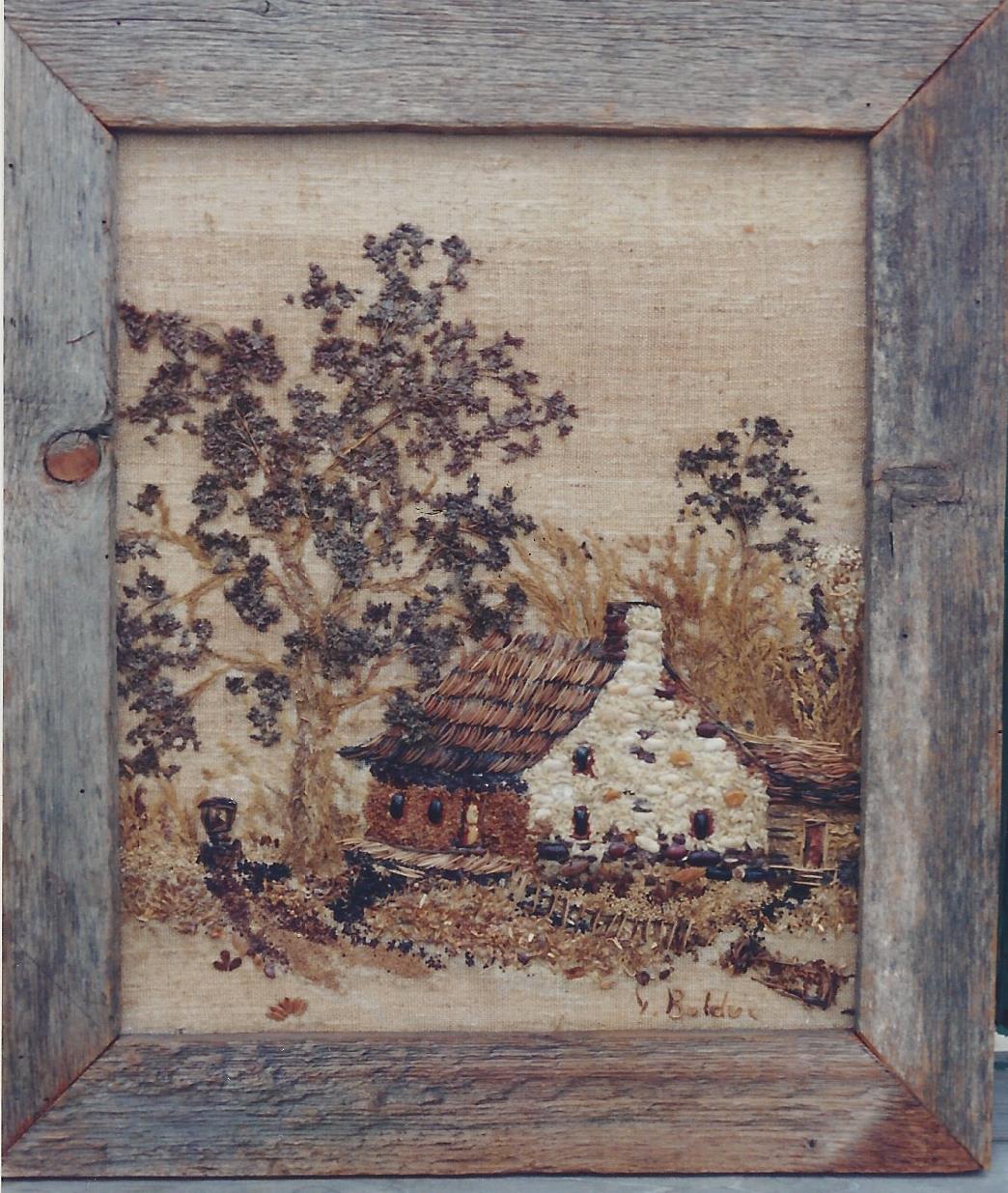
composition vegetale  by Yvonne Bolduc

composition vegetale
by Yvonne Bolduc

It was such a case when at the springtime Bowmanville show in 1999 we were approached by the wife of a well-known Quebec collector and given the sad news that he had suffered a sudden illness and died.  She came right to the point in suggesting that based on several happy past dealings she felt compelled to offer it to us first. We chose to believe her.

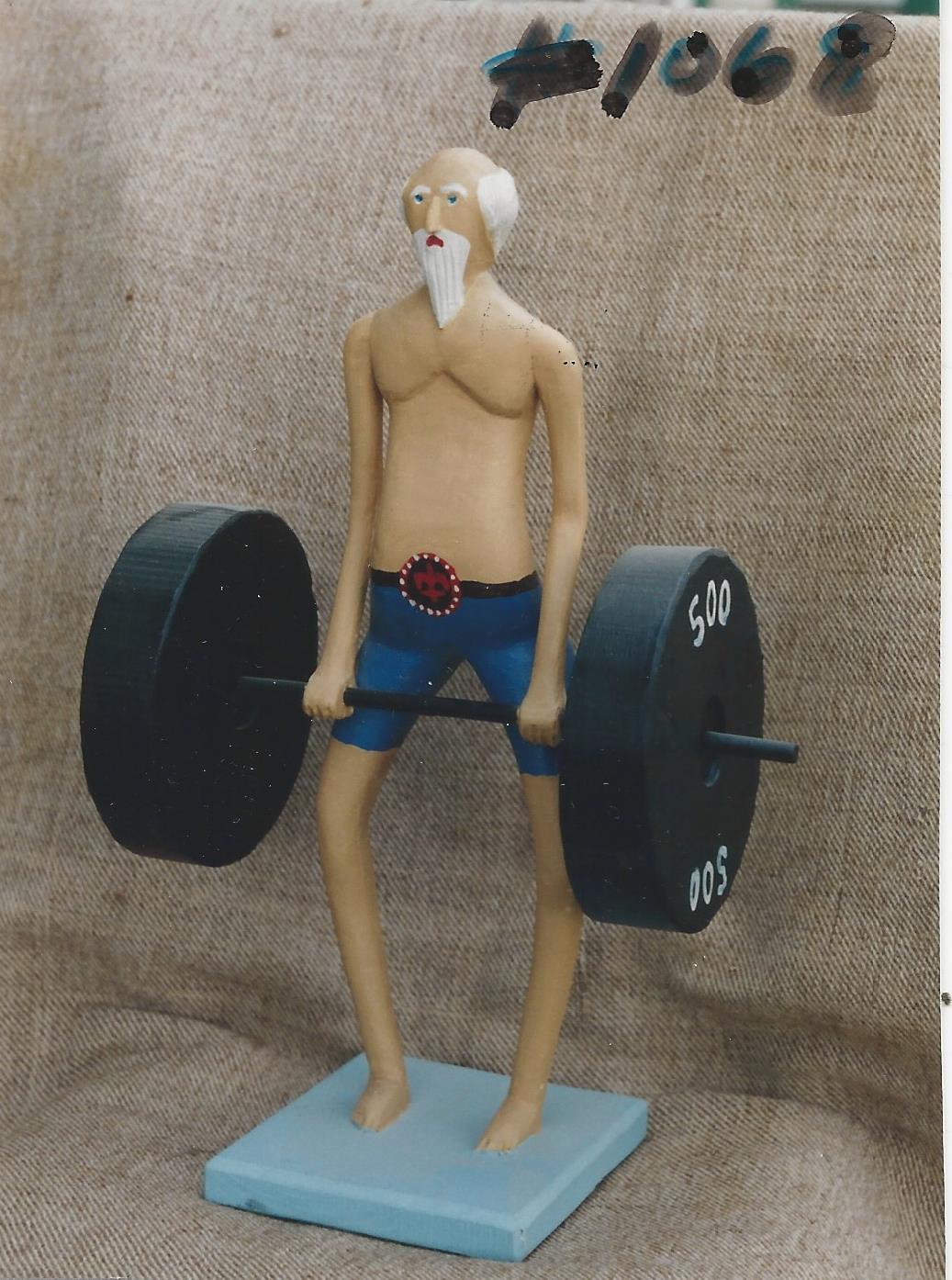
muscleman by Leo Fournier

muscleman by
Leo Fournier

She was only interested in selling it all outright, with no picking or choosing. She pointed out that her husband had kept meticulous records on the purchase of all the pieces and realizing the nature of being in business she would be content to recover 50% of the money spent.  It sounded reasonable but we had no idea how large a collection it was, or just what we were talking about.  We knew and respected the taste of the collector, so in spite of the fact that we had just spent a lot of money a few months earlier to buy the Ewald Rentz collection, we told her we were interested and to please send us the pictures and information she had. She warned us that she was busy with other things and that it would be awhile.

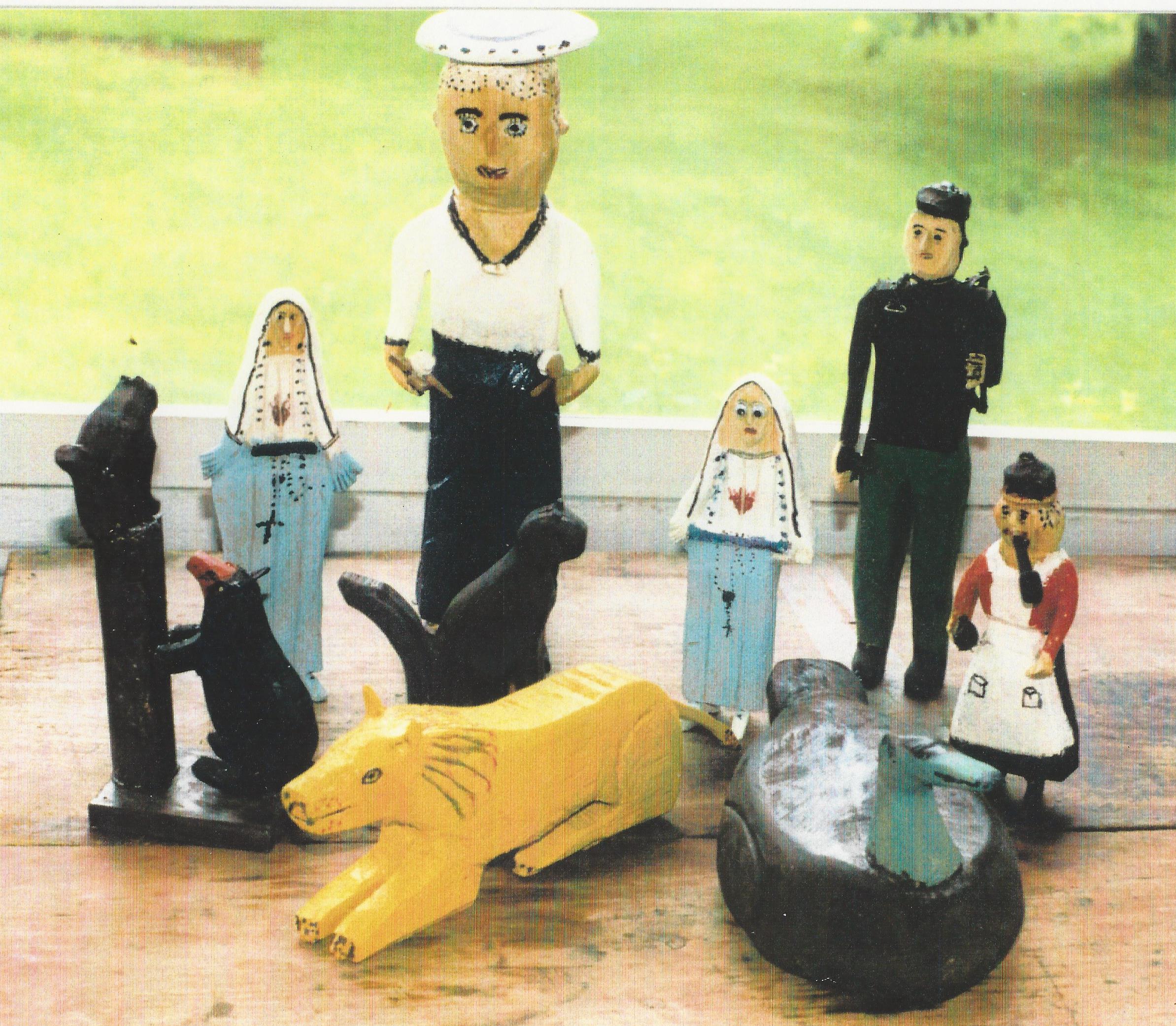
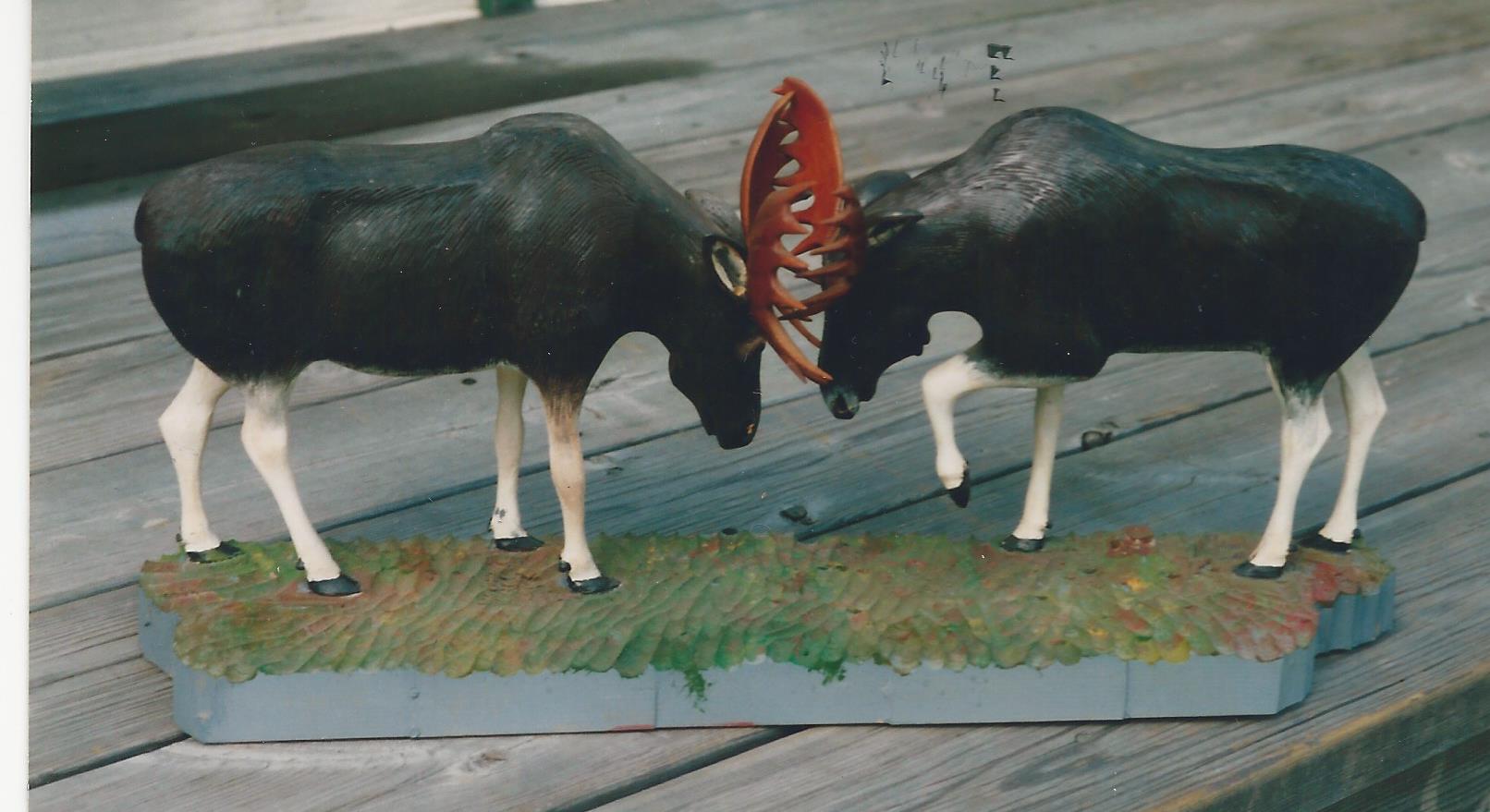
About six months later as we beginning to wonder if something had happened, we received a package which contained photographs and information on the 164 items that made up the collection.  There was a package of rolodex cards which carefully listed where and when each piece was bought, and any notes he had about the carver. It was all quite interesting, and at times downright wonderful stuff.  Many pieces by known contemporary artists such as Leo Fournier, J.C. Labreque, Magella Normand, Robert Paradis, etc. but also a lot of older, hard to come by pieces such as a composition vegetale by the highly -regarded Yvonne Bolduc of Baie St. Paul, Quebec. An absolutely stunning surrey and driver made in 1970 by Albert Conrad Ranger (1894- 1973).

a group of the last carvings by Rosario Gautier

a group of the last carvings by
Rosario Gautier

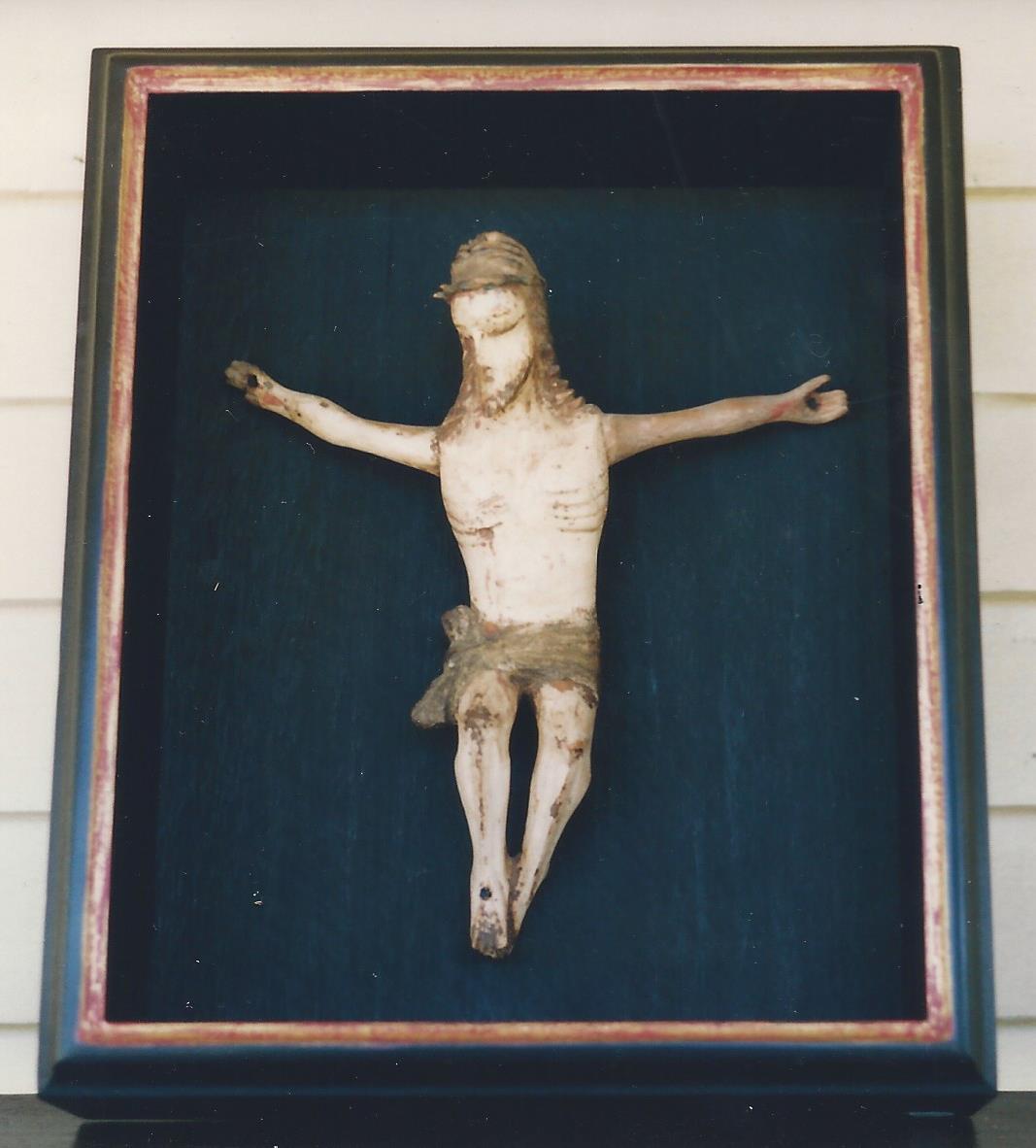
The last 19 pieces created by Rosario Gautier (1914-1994), a primitive master from Lac St. Jean, Quebec. There were 5 wonderful lamps by the previously unknown to us Adelard Patenaude.   Also included were several early carved candle sticks and wall shelves which we knew would fly off the shelves.  The most interesting, but also potentially problematic was a collection of 12 Quebec crucifix of various age. I sense that today these might find a lot of interest, but in 1999 it was hard to sell a crucifix out of Quebec. We knew of only a couple of collectors.  The notes recorded that he had spent a total of about $38,000, so we are not talking pocket change.  Still, when we went through the list assigning modest retail prices, the value was there, so we decided to take the plunge.

one of 5 finely carved pieces by Leo Laramee

one of 5 finely carved pieces by
Leo Laramee

When you take into consideration the hours and the dedication it takes to build a large collection, to be able to buy it all at once at a good price is an attractive proposition; provided you relate to the sensibility of the collector, and there is an active market to sell it in.   That was the case for this collection in 1999.  Quebec was and remains home to many knowledgeable and dedicated collectors of it’s past, and it’s art.   Most everything sold quickly, and the rest in due course.  Even the crucifix sold, although to be accurate the lot sold to the one collector we knew would be interested.  Had he not gone for it, it may have been a different story.

one of 12 Quebec crucifix  by an unknown carver,circa 1900

one of 12 Quebec crucifix figures
by an unknown carver,circa 1900

Frozen hard boiled eggs – Recollections of Quebec in the winter

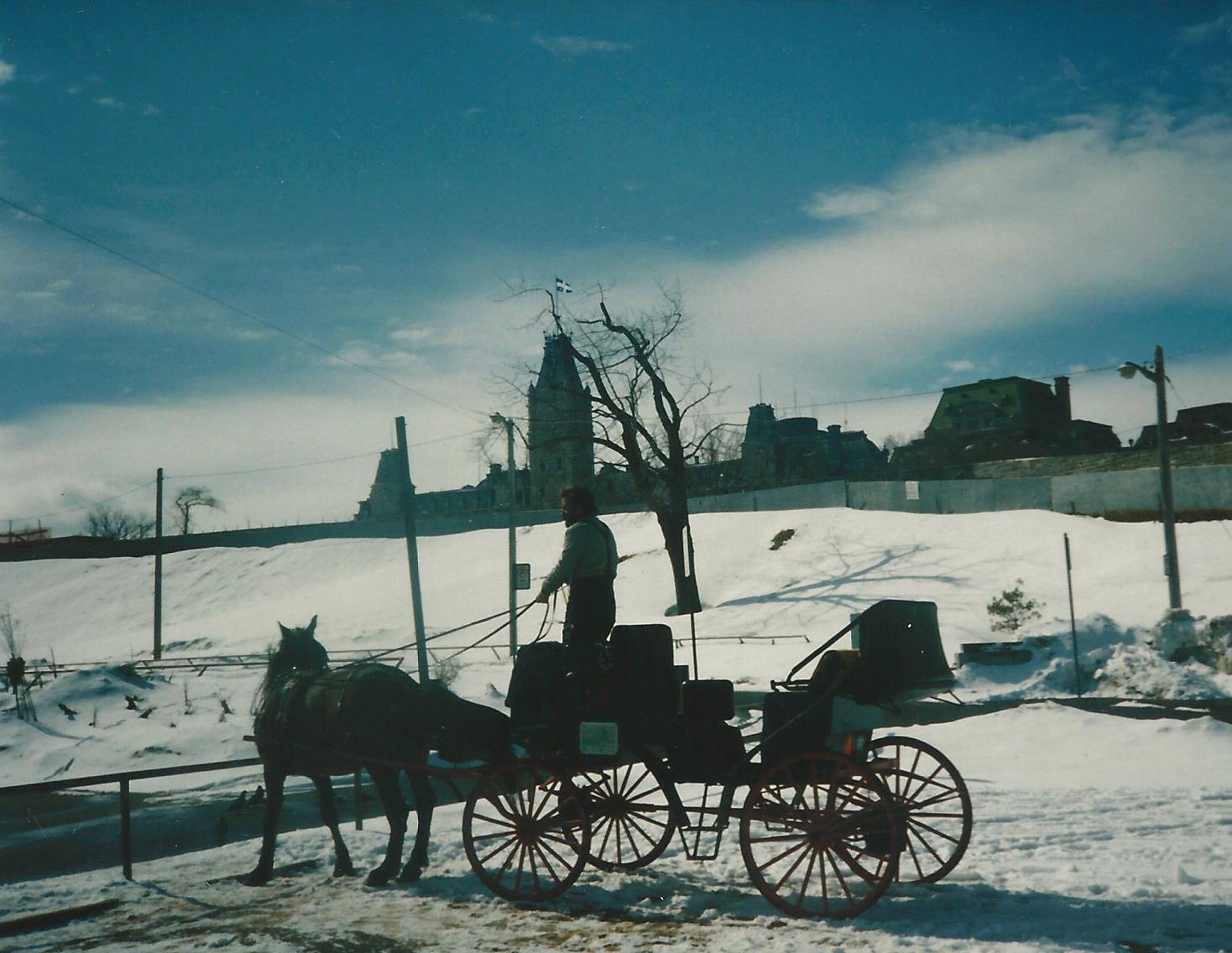
nice day for a buggy ride in old Quebec

nice day for a buggy ride in old Quebec

It is December 1st and we are still enjoying mild temperatures and no snow here in Port Dover on the “south coast” of Ontario, which is how they promote the region around here.  In actuality, it is not a coast at all but rather the north shore of Lake Erie.  You need an ocean to have a coast, and I bring this up because I am not about supporting the deterioration of the language. In any case, the forecast is for temperatures to drop at the weekend to normal values and then if we believe what we are told we are in for a rough winter.  I was looking at the old Bell line van pictured at the top of every blog and thinking about how cold I used to get traveling in that van to Quebec in the winter.winter1

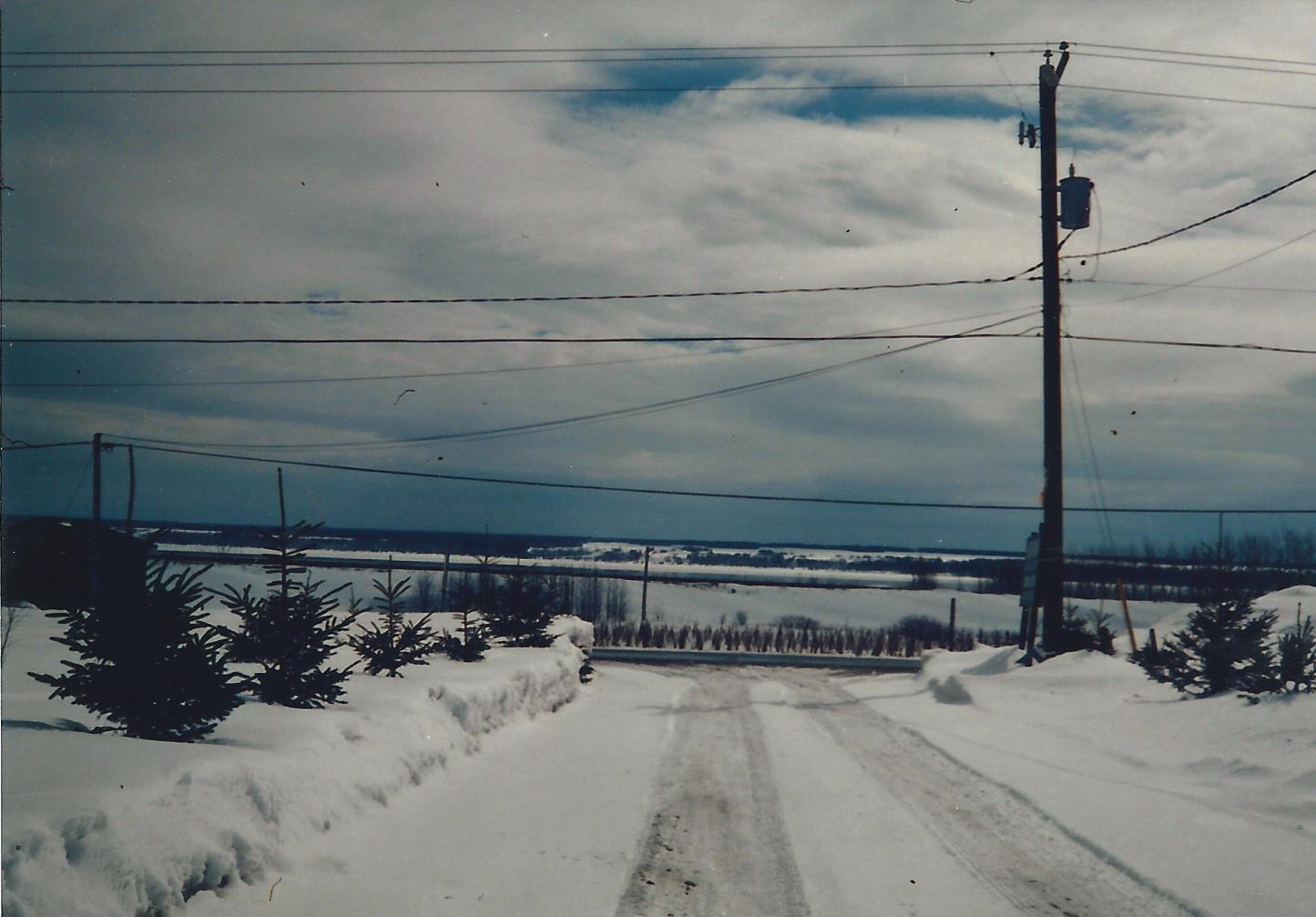
I did my best to fit trips in between snow events, but it goes to say that when you are back and forth every couple of weeks you are going to get caught.  I can remember white outs on the four lane #20 highway when looking out the windshield was like looking into a snow globe. Everything is white snow swirling and dancing in the headlights; everything is hypnotic and there is no hint of an edge to the road, or white line to guide you.  You are lost, and afraid to stop for fear that a transport will run straight over you, but also afraid to pull over because you have no idea where the highway ends and the ditch begins. A total white knuckle scenario which lasts for minutes that feels like hours.

You know those “bridge freezes over before highway” signs you sometimes see on northern bridges.  Well I can attest to that being true.  Late one December night I headed through Montreal, and on to the south shore with the temperature dropping steadily, and the rain starting to glaze up and turn to snow. By the time I reach the Drummondville bridge it was cold enough that indeed the road before the bridge was fine, but the second I hit the bridge that big old truck thought itself a figure skater and decided to pirouette the entire length of the bridge, spinning gracefully all the way across until it hit the dry pavement on the far end, and miraculously I had completed a turn and  the wheels were aligned so I just stabilized and kept going as if nothing had happened.  Good thing I bring a change of underwear.winter6

Another time when I picked up Jeanine at Mirabelle airport after her spending a few weeks in France, we were so happy to see each other and getting caught up that we hardly noticed the ever increasing magnitude of the snow storm which was coming in.  It just kept getting heavier and heavier but we continued to crawl along in the tracks of the transport ahead of us. We made it like this as far as the Ontario boarder before the front bumper of the van was literally plowing snow and that’s when we decided to call it a night.

The old Bell line van held a lot of gear and you could rely on the 350 Chevy engine to start and get you there and back, but the body wasn’t built for traveling for a long time in sub- zero weather, with it’s non insulated sliding side doors. It was meant to be a delivery van after all   I would wrap up in long johns, two pairs of pants, a pair of insulated cover-alls, and a blanket over my legs but even with the heater blasting full it could get damn cold.  I remember one -30 degree morning when surprisingly the engine fired up after turning over so slowly you would think it was being hand cranked.  After leaving it to heat up for 15 minutes I set off to get on with my day of visiting the picker’s barns with my lunch box on the engine cover.  I got hungry about an hour later and decided to have a hard- boiled egg, only to find that it was frozen as hard as a rock.  It’s amazing what you will put up with when you are young and have lots of blood flowing through your veins.  I could not believe the feeling of absolute luxury when the old van finally died and I started traveling in a pick-up truck.  What was I thinking?winter5

Of course the flip side to this potential discomfort and hardship is just how wonderful and special it is to be in Quebec on a , crisp sunny morning with the snow piled as high as the rooftops. Quebec city in particular is absolutely magical in the winter. To look out your hotel window and see the people below hustling along narrow paths between buildings, with every other inch of space being covered with deep,deep snow is unforgettable, and quintessentially Canadian. “”Mon pays, c’est l’hiver” or “My country. It is winter” is more than a popular Quebec expression. It’s a concept to understand and cherish.

I leave you with one last recollection. That of the Northern lights dancing magnificently overhead as I drive the lonely distance between Quebec city and Trois Riviere late at night listening to the CBC, and thinking about what my loved ones were doing at home.  Loving what I was experiencing with the light show and all, but also thinking about my family and bed and wishing I was home.  winter4

Breakfast in Quebec

One thing that I look forward to when on the road, especially in Quebec, is having breakfast at a little, local restaurant.   Typically, we look for the mom and pop place in a small town with a lot of cars in the parking lot.  That’s a sure sign because the locals know best. I love walking into a lively room full of morning light and people, talking, laughing, and generally getting on with things.  It’s that happy time when you are full of hope and energy before the day has a chance to complicate things and wear you down.  It’s all about that first cup of coffee, filling that empty stomach, and getting your communication skills working.  In Quebec, on a good day, these places are full of noise and merriment, and most often delicious food.

At least I can now by Creton at our local Food Basics

At least I can now buy Creton at our local Food Basics

I like to go with the traditional Quebec big breakfast, a couple of eggs, sausage, toast, baked beans, and a little container full of Creton.  What is Creton you may ask.  Well it’s basically pork fat mixed with bread crumbs, and a little onion and spice, and it is delicious spread on toast. Just the thing if you are going to go out in sub- zero weather to cut down trees.  Maybe a few more calories than you need to drive around and search out antiques, but a great way to start the day none the less. I know a lot of people at this point are crying out “cholesterol alert”, but I have a well-researched theory that a small amount of this type of heavy fat is actually good for you. The operative word being a “small” amount, and provided you are active enough to burn it off. Because you are satiated it cuts down on snacking, and your stomach recognizes the fat and puts out the proper enzymes to digest it. Something that doesn’t happen with “low fat” foods, most of which are filled with dangerous chemicals.  But I digress.

I also love that a lot of these places, although clean, have not been professionally decorated or modernized.   It is one of my greatest pleasures to sit, sipping my coffee, anticipating my food and just taking in the local scene.  Randomly tuning in on conversations of people you do not know and will never see again makes me feel energized, and connected. At one with the world.

When on an antique hunt you are basically driving from place to place, and walking through barns with occasional moments of lifting and loading.  So after a big breakfast we then go through the day snacking on things out of a cooler we bring along.  This is not only cost saving but satisfying because even the little grocery stores in Quebec have a wonderful selection of fruits, bread, meats and cheese that can be munched on between stops, or if we feel like a break at a rest stop.  Not to forget those little packages of delicious cheese curds left out on the counter of almost every little country variety so that they are the right temperature to get every little bit of “squeaky” texture and flavor out. This was then.  I hear that now the powers that be have forced the store owners to refrigerate for fear of us becoming sick. Ridiculous. It takes days for curds to go bad.  It’s like buttermilk.  You can leave it out on the counter and it just continues to be buttermilk for days.  The restrictions on raw milk cheese are also ridiculous,  but don’t get me started.

Finally, at the end of the day it was our pleasure to drive around and seek out a simple meal at some place that looked good and not too expensive. Now days we do a little trip advisor research in advance.  It works and saves some gas, but it takes some of the fun out of it.  Over the years we have found our favourite spots and we look forward to revisiting them.

Eventually we took to carrying two coolers, one for the day to day use, and one for bringing back all the products that we discovered and came to love, and can find only in Quebec.

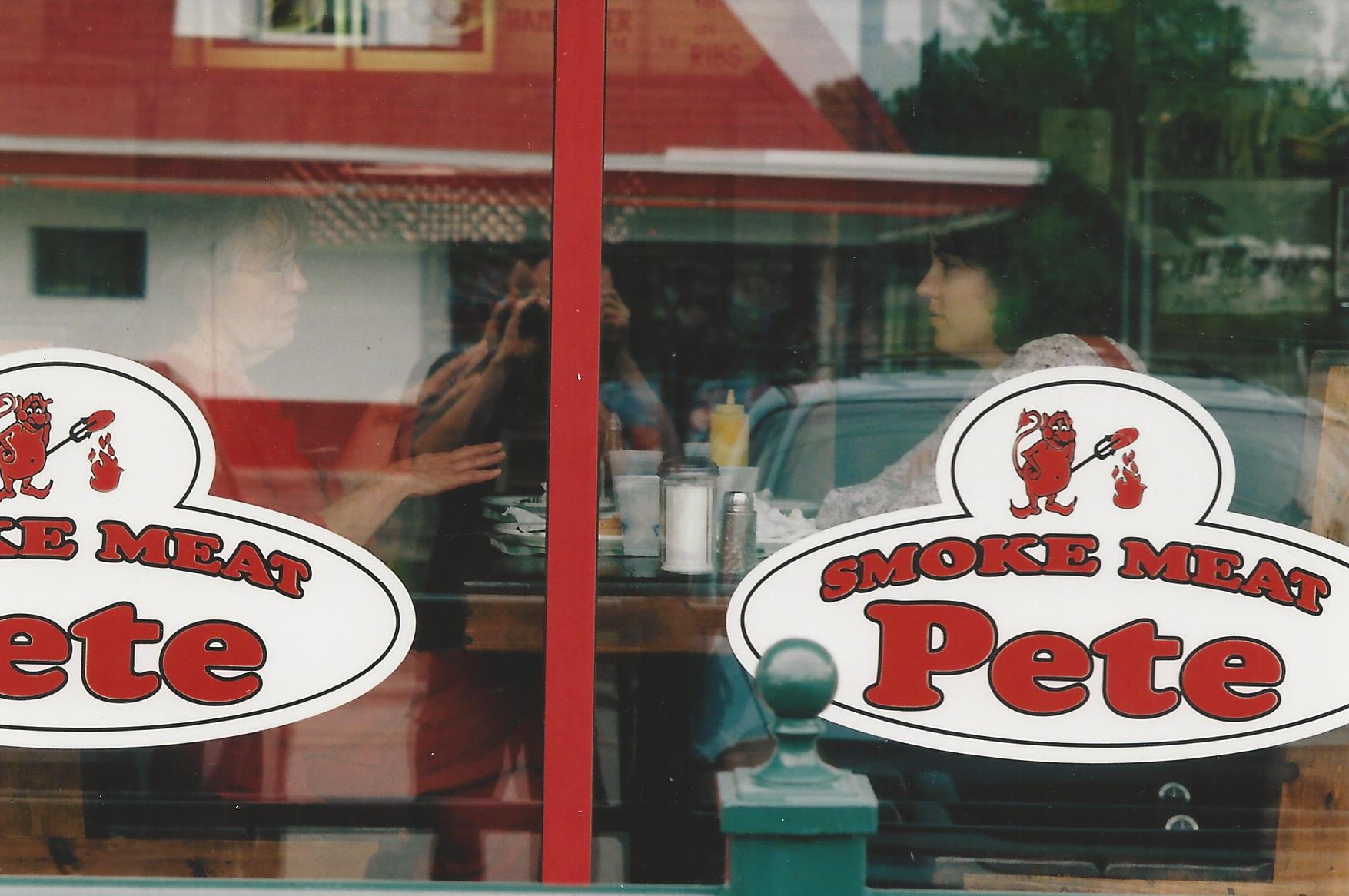
We always make our first stop at a little place on L’Isle Perrot when coming into Montreal on Highway 20.  It used to be a dairy Freeze but then one happy day it became Smoke Meat Pete.  Their slogan is “you can’t beat Pete’s meat” and I heartily agree.  Pete smokes his own, and it is super delicious.  Second only to Schwartz’s in Montreal and even that may be because Schwartz has the advantage of being the traditional favourite.  We always arrive hungry.  Have a huge sandwich, and leave super full with a big brisket in the cooler to take home.  Yes, gratefully they sell full briskets to go.

Jeanine, full and happy leaving Smoke Meat Pete's

Jeanine, full and happy leaving Smoke Meat Pete’s

Next on the tour near the picturesque town of Knowlton lies the giant Lac Brome duck producers.  A great source for packaged duck confit legs.  Duck confit is a traditional food from Jeanine’s home in the south/west of France and is one of our favourite things, so we usually buy ten or twelve packages containing two legs each, and put them in the freezer when we get home.

Then it’s a short drive over to  the Abbaye De St-Benoit-Du-Lac, a picturesque monastery on the top of a hill which produces and sells many award winning cheeses.  Nearby Magog has a couple of excellent bakeries and specialty shops.  You can buy every kind of pate imaginable from rabbit and duck, to elk and you name it.  In Magog you can buy over a dozen types of pates while here in rural Ontario you are lucky to find anything other than a basic pork pate with pepper corns.  Why is this?

Once while doing the Eastman show we found out about a little bakery about six kilometers south of town on Rte 12 that is locally famous for making the most delicious tourtiere you will ever encounter, and the clincher is they sell them for between $12 to $16 each depending on the type.  We put as many as we can cram into the cooler for freezing back home. Excellent.

When you think of Quebec food, you may think of meat pies, baked beans, poutine, sugar pie and those $2“vapor” hotdog stands with those funny little buns, but increasingly you must also think of world standard cheeses, meats and produce.  All this talk is making me hungry.  It’s time for me to wrap this baby up and go downstairs, and make myself a sandwich. Bon Appetit.food1

An outhouse full of bird houses

brdhous4I think that it is accurate to suggest that a high percentage of what we define as folk art is made by energetic people who reach retirement, and find they need to produce something to keep their interest in life alive, and burn off creative energy.  Some of these people turn to enhancing their immediate environment. Edmund Chatigny comes to mind who spent his working day creating a yard full of spotted flowers, animals, and birds, all in a similar style.  What he made innocently has great artistic strength, and integrity. His intention was not for profit, but rather to decorate his yard. Here’s a link to my blog about him,  https://shadflyguy.com/2016/09/16/its-not-saleable-it-doesnt-get-made-in-a-minute-the-art-of-edmund-chatigny/

And then there are other folk artists who seek to create a product.  Something saleable which will bring in cash. A craftsman’s approach. Some of these people are uniquely talented, and the work becomes very popular in spite of their lack of professional training, or intent.  Maud Lewis is a good example.

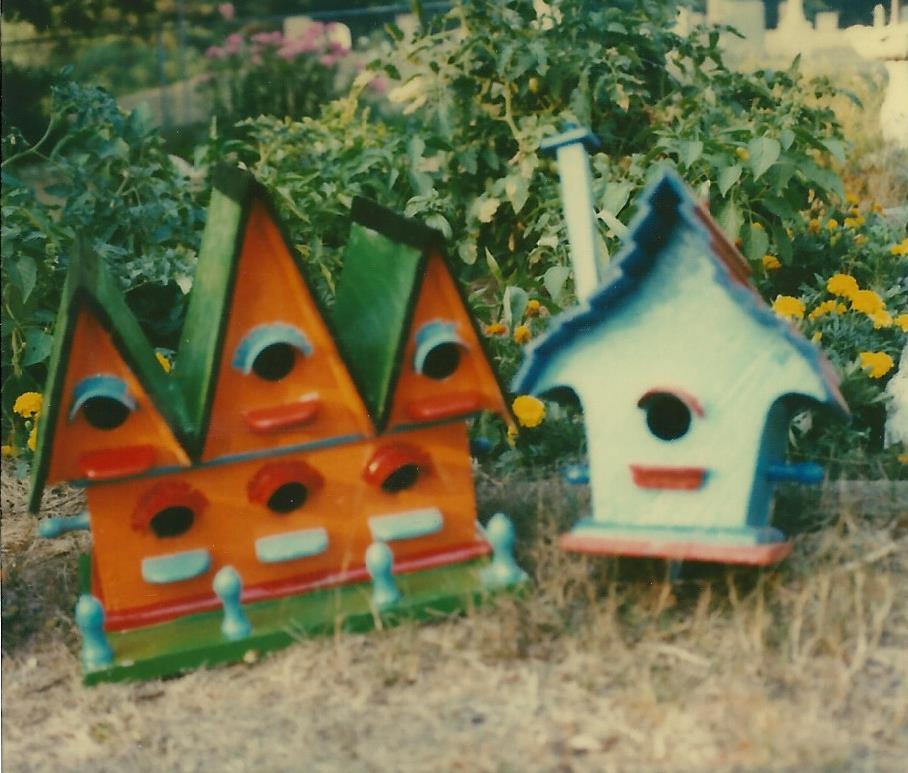
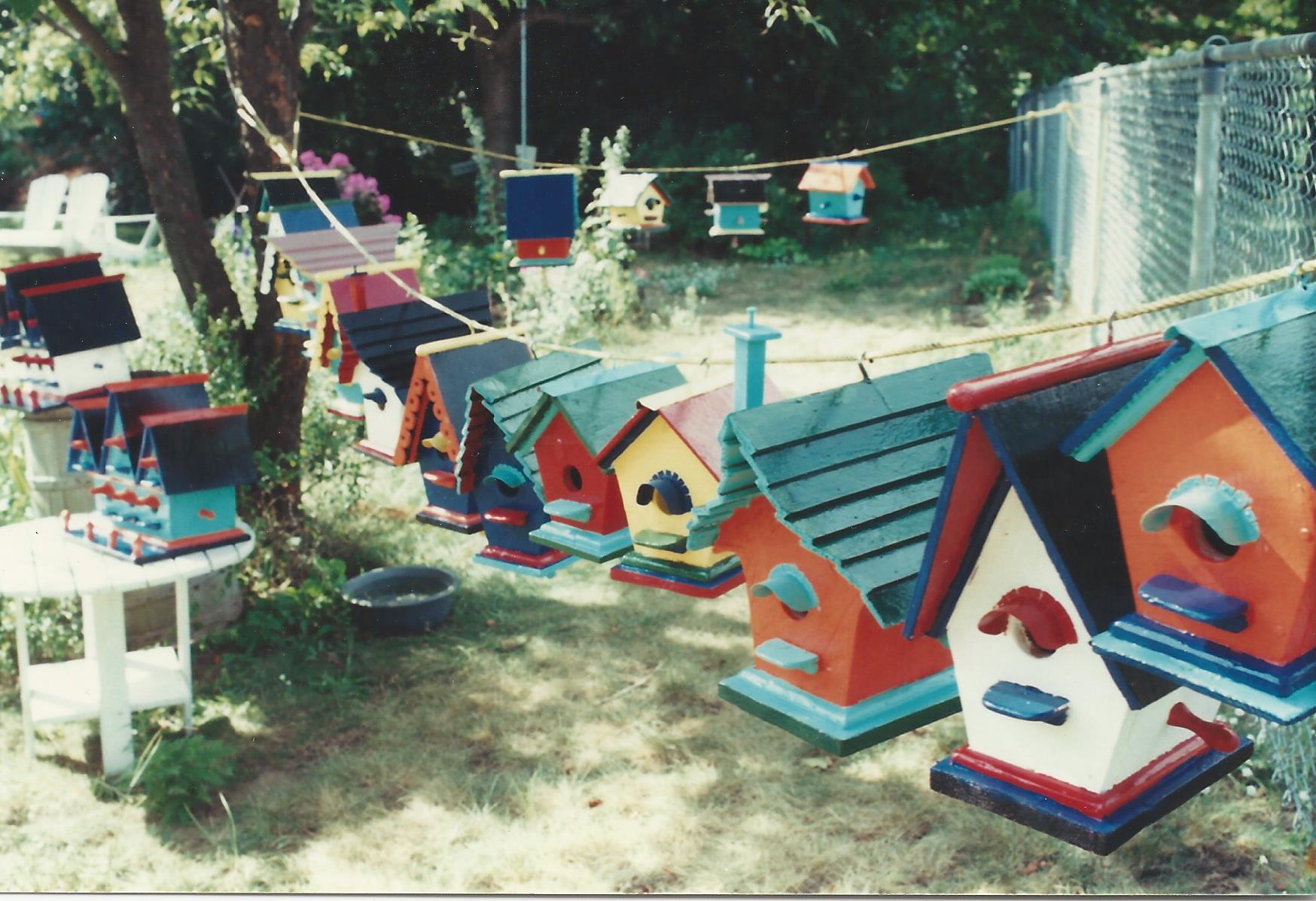
We were driving along Rte 138 on the north shore of the St Lawrence near Trois Rivieres Quebec, when we spotted a sign for a yard sale.   We are talking about the 1980’s when it was a good idea to check out all yard sales.  It was early on and there were still lots of good things coming to light. So we pulled in and became immediately drawn to a few odd looking, hand-made bird houses sitting under a tree.  Really cool, looking like something out of Dr. Seuss. They were unpainted and a little rough around the edges, but you could see the potential.   Jeanine asked in French, “Can you tell us something about the birdhouses please.”  An elderly gentleman came over to us and explained that he had made them in his little shop out back just to keep himself busy. Then he started quoting prices, all of which were reasonable.  “I see you have six out here on display.  Do you have others?”.  He smiled and said “come with me”. We found ourselves in his back yard, behind a small barn and there sat what looked to be an old two-seater outhouse.  Door latched shut with a stick of wood.  He swung open the door, and taa daa, the entire space from floor to ceiling was stuffed with birdhouses.   There had to be 100 or so in there.  He grinned, “You see I have more.  How many would you like?”   We excused ourselves for a moment so we could have a quick huddle, and then Jeanine asked “Well what do you want for all of them?”  His eye’s lit up and he said without hesitation “Take them all and pay so much a piece no matter what the model.”  I honestly can’t remember the exact price, but it was extremely reasonable, say $15 each.  Deal.brdhous3

I drove the pick up right to the outhouse and we began the arduous task of unloading and reloading all those birdhouses. They filled up every bit of space we had left, and when we were finished there was so much rope holding everything in place that it looked like a spider’s web.   We were full at this point so we headed home, feeling quite giddy.

It was summertime, and our daughter and three of her friends had just discovered what a drag picking strawberries was as a summer job, so we offered them the job to sand, prime, and paint all those birdhouses.  They set up at the picnic table under a big tree, cranked up the radio, and started to work. We provided paint, brushes, sandwiches and beverages and paid them by the piece.  They were happy, and we were happy with the excellent job they did both in the quality of the work, and their choices of bright colours.  We loved to look out and see more and more brightly coloured bird houses hanging from the cloths line, and hearing the happy chatter from the work team.  It lasted over several weeks and we sold them just about as fast as they became available.  Eventually they all had new homes and we contemplated a return trip to see if more had been made, but never got around to it.  We thought that with all that space available in the old outhouse and after such a successful sale, our maker friend would probably get right back to it.  We never did find out.   I still see them from time to time at antique shows.brdhous2

Driving the Vatican to Montreal

we loved bringing something big to Bowmanville

we loved bringing something big to Bowmanville

When it comes to selling folk art, something you learn pretty quickly is that size matters.  In this case, small being better than large, because not many collectors have a large amount of space to dedicate to their interest, and so although they may be delighted to see a large piece, not many of them are going to take it home.  The exception being things like totem poles or other vertical forms that don’t take up too much floor space., or can go outdoors.  Even then it has to have a lot going for it, or you risk hauling the thing around from show to show like a giant albatross around your neck.  That being said, it’s good to have something  spectacular for a show like Bowmanville, where you focus on building a reputation as well as sales, and big and flashy gets them into your booth.  This is why on the rare occasion when I did find something large that made my heart skip, I found myself drifting from ”isn’t this an interesting thing. I’m so happy to have experienced it and now I have it to remember”, to “I wonder if I can Squeeze this thing into the truck and when I get home convince Jeanine it is a good idea.”  It’s a feeling recognized by elements of excitement and danger coming rapidly in equal amounts.

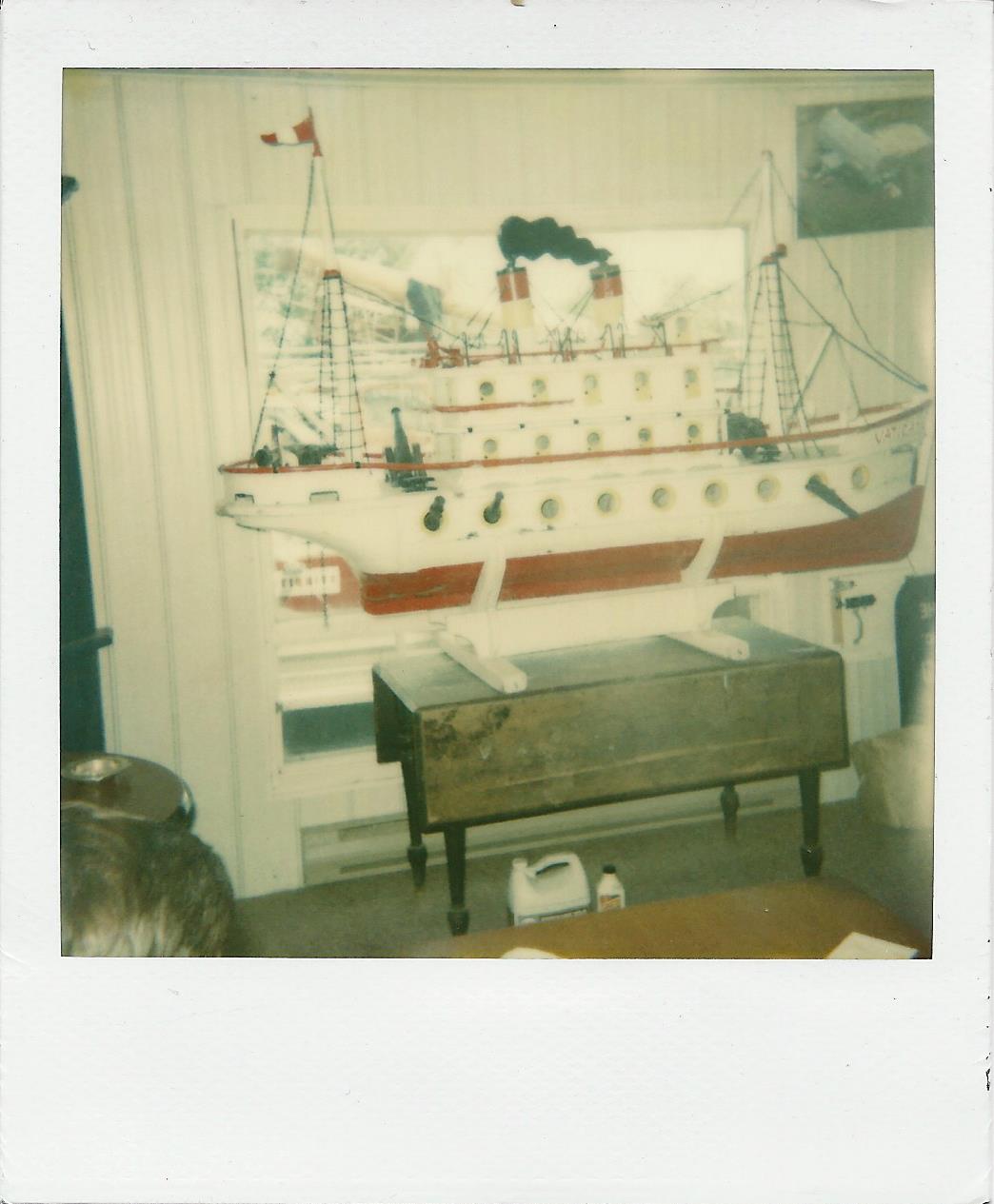
It was early spring and the hope brought on by new life and growth was thick in the air as I pulled in to Jean Deshaies or as he is known “Kojak’s”.   I was flying solo and with a full truck, so it was a last look in case of an interesting small or something worth putting aside for next time.  I could see that Kojak was excited when I walked in, and he jumped right up and hurried towards me, “ Phil, you’ve got to see what just came in. It’ll blow your mind”.  He brought me into his small front room where he kept his special things and there perched on a table in front of the window was a spectacular 7 foot long, 4’ tall, red and white, three tiered birdhouse in the form of a ship.  The name “Vatican” painted prominently on the bow.  Wow.  What a thing.  Double masted, with twin funnels spewing black smoke asthe French flag overlooked all from high above.  You could see that great care had gone into the creation.  Every piece was carved lovingly from wood or shaped from metal, and it was built to last.

The Vatican in Kojak's front room

The Vatican
in Kojak’s front room

It was made in the late 1940’s by two priests who taught and lived at the seminary near the town of Lobiniere, situated on the south shore of the St Lawrence river.   It took them over two years to make it, and then they mounted it outdoors under a sheltering roof where it served as the home for many birds over the next thirty years or so until the seminary closed.  By then the brothers had died, and it was bought by a local. Fortunately, he looked after it well, keeping it painted and maintained and under a roof as the brothers had, so when Kojak bought it, it was just a question of giving it a really good cleaning.  This was the state it arrived in hours before I pulled in.

It hit all my buttons, had great provenance, and was definitely top drawer folk art, but it was also a lot of money, and huge, not to mention massively heavy.  My mind kept telling me to “avoid” “just move away and nobody gets hurt” but when Jean told me he had already called a couple of Quebec city dealers, and they had not committed but would be coming to look at it, I started to panic.  Something about it spoke to me.   I’m not naturally inclined, but it felt almost Holy.   I wanted it, and I had to think fast. “Can I have a hold on it for 24 hours, and take a couple of pictures.  I’ve got a guy in mind.”  He hesitated.  “Well, I don’t want you shopping it around to everyone, but if you have somebody in mind I’ll give you until closing time tomorrow.”  Great.  That may be all I need.

As it happened this was a time when I was selling a lot of folk art to a new, high end interior décor and furniture shop setting up over two floors of a converted warehouse in an up-scale neighborhood in Montreal.  The owner, a Mr. Camelot, (how do you forget a name like Camelot), was very progressive and pushing hard to come up with the very best.  Today I would have phoned him and sent him the picture, but in the day, after he had expressed interest over the phone, there was nothing left to do but drive to Montreal and show him the pictures. The next morning at 8 am we met at the store and he quickly decided based on the two polaroids, and my description that he had to have it, and so it just became a matter of driving the two hours back to Kojak’s and fetching it.

I had to pile up the things I already had on my truck at Jean’s because the ship took up the entire box of the truck from front to back.  I roped it in place and started out for Montreal.   I can remember it as vividly as if it happened yesterday, cruising at 120 klm down Hwy 40 headed for Montreal when suddenly the sky turned black and a torrential summer rainfall let loose.  Looking in the rear view mirrors it looked like the Vatican was sailing her way through heavy seas.  I was concerned but she was built to take it and there was nothing to do but sail on.   As Mr. Camelot’s workers unloaded it and brought it up in the lift, I was thinking that although I was happy the ship had found it’s new dock, the only unfortunate part was that I would have loved to make it the center piece of our Bowmanville booth that year.  Still, a bird in the hand.   fullsizerender4

Something about seeing that ship in those rear view mirrors left a big mark on me, and a little while later I was messing around and found myself painting in a decorative old mirror frame I found, a rendering of the Vatican floating on a cloud off into a starry night  . It’s still hanging there on the wall over my left shoulder, and every once in a while I notice it and I think about the two priests staying up late, and using all their leisure time to create such a wonderful home for the little birds.

Ironically, about twenty years later, I walked into set up for the Bownmanville show and there it was. A Quebec dealer had brought it on consignment.  The Vatican was looking for a new dock.  It did not sell.  As I watched them load it back onto the truck for the trip home I said to myself, “that could be me.”vat2

Madam Tessier, and her brother

OLYMPUS DIGITAL CAMERA

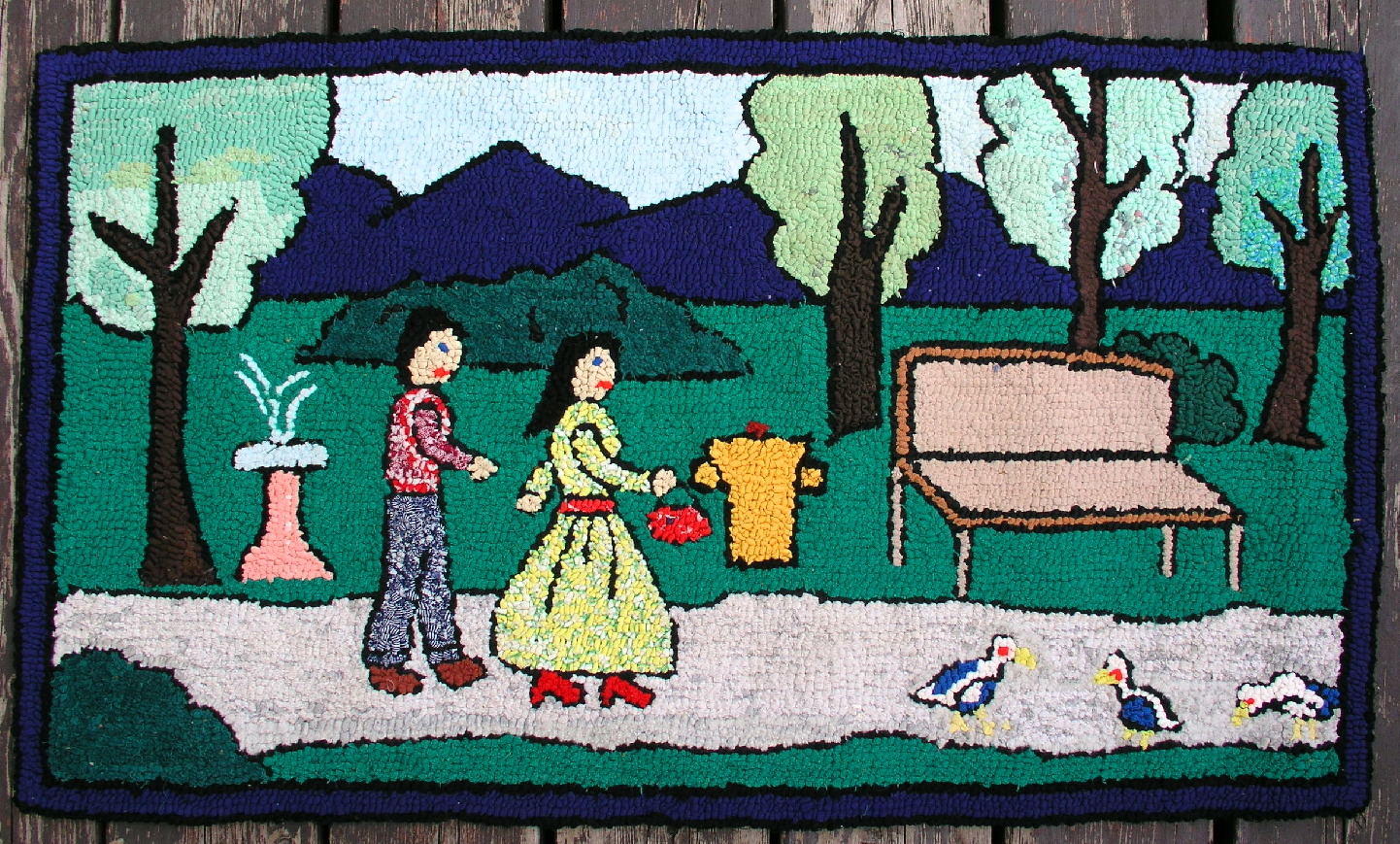
walking in the park

In the late 1980’s when we were antique shopping in Quebec on a regular basis, we would follow up on leads for new sources that were offered to us by other dealers.  We were told about a great shop in the town of Deschambault, which is on Rt. 138 on the north shore of the St. Lawrence river between Trois Rivieres and Quebec city.  Rte. 138 was a popular tourist route back in the heyday of motoring vacations in the fifties and the sixties, but traffic dropped dramatically when the auto-route 40 opened and people’s attitude changed, and they started to just want to get from point A to B as quickly as possible.  There wasn’t much of the old “motoring” culture left along the route, but it was a gorgeous drive and every so often you would spot a handmade sign in front of a little roadside shack indicating “Souvenirs”.   Naturally we would stop and check it out.  You never know when and where you may find the next great folk artist or crafts-person. Most of these shops were a disappointment however in that they contained the St. Jean-Port-Jolie style tourist carvings, and the typical plastic commercial schlock, but once in a while we would find some crazy, old guy making something interesting, or in this case of this story, a great source of charming, original designed hand hooked rugs.

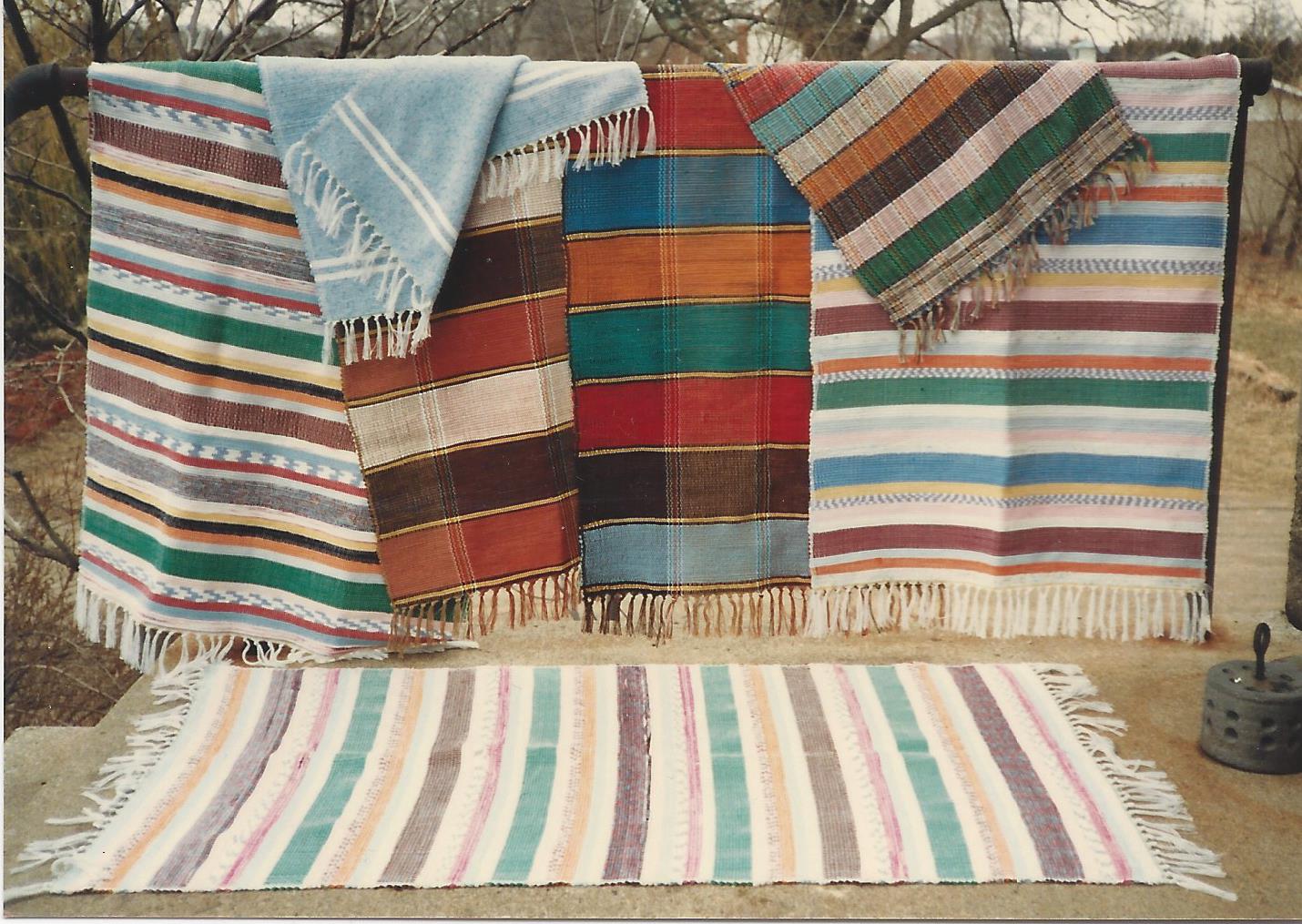
woven runners and mats

woven runners and mats

It was a fine summer morning as we rounded the bend just a few klicks from our destination of Deschambault, when we noticed several signs around an old frame house indicating “Souvenirs” “Quebec textiles”, “hand hooked rugs”, etc.  These signs had a charm all their own so we were hopeful that we may be on to something.  We went through the door indicated as “shop”, and entered into a long thin room which had an end to end run of long, thin, fabric cutting style tables, stacked with dozens of different varieties of hooked rugs and woven runners, and mats.  The back wall was covered with examples of rugs, and behind the tables stood a lovely looking elderly woman looking every bit the Victorian lady with piled up hair and white powder makeup.  Right out of central casting.  She had a radiant smile and seemed truly delighted to meet us.  She told us her name was Madam Tessier and all the textiles on sale where either made by her, or one of her three or four rug hooking neighbors.

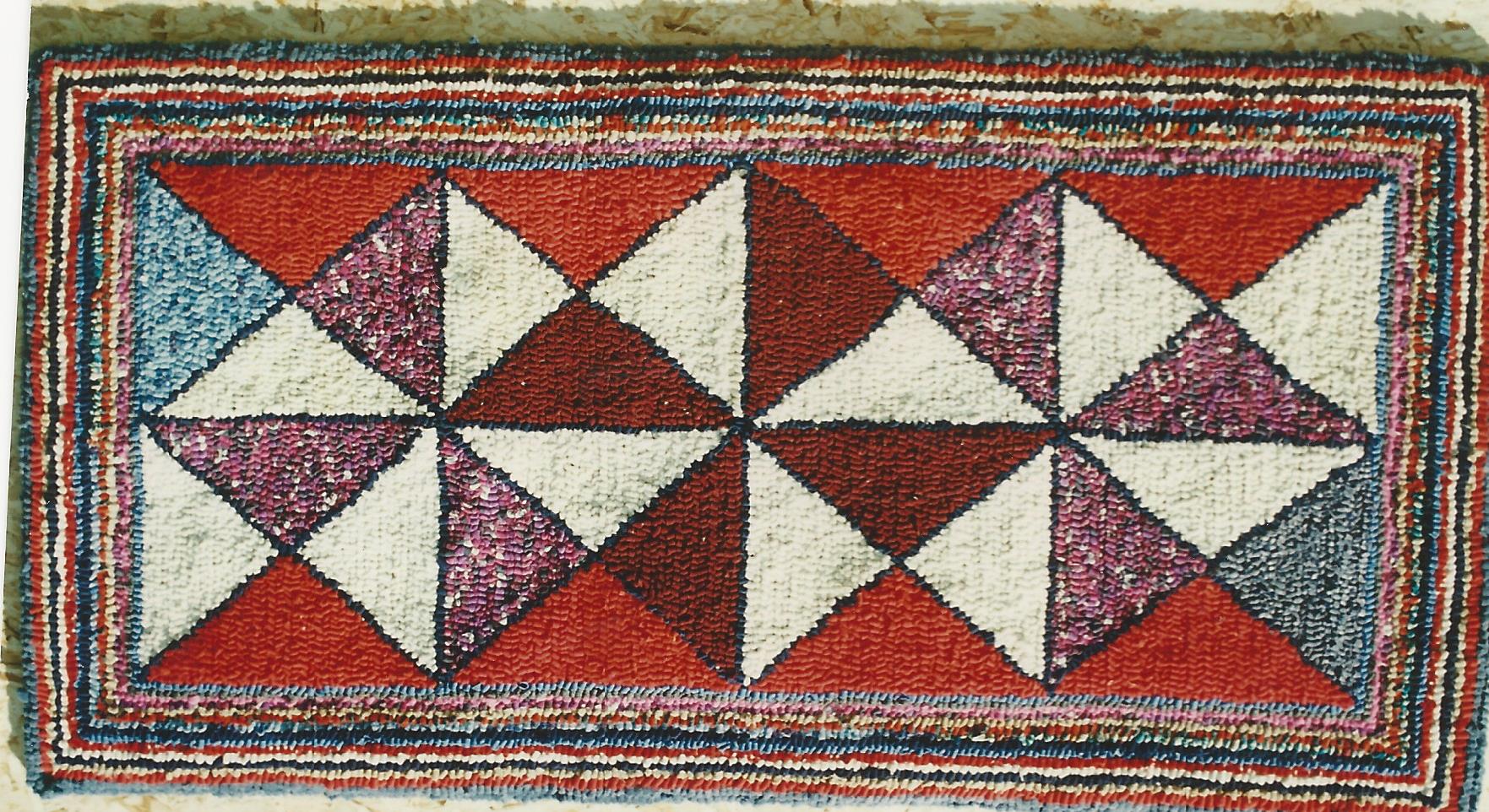
a geometric

a geometric

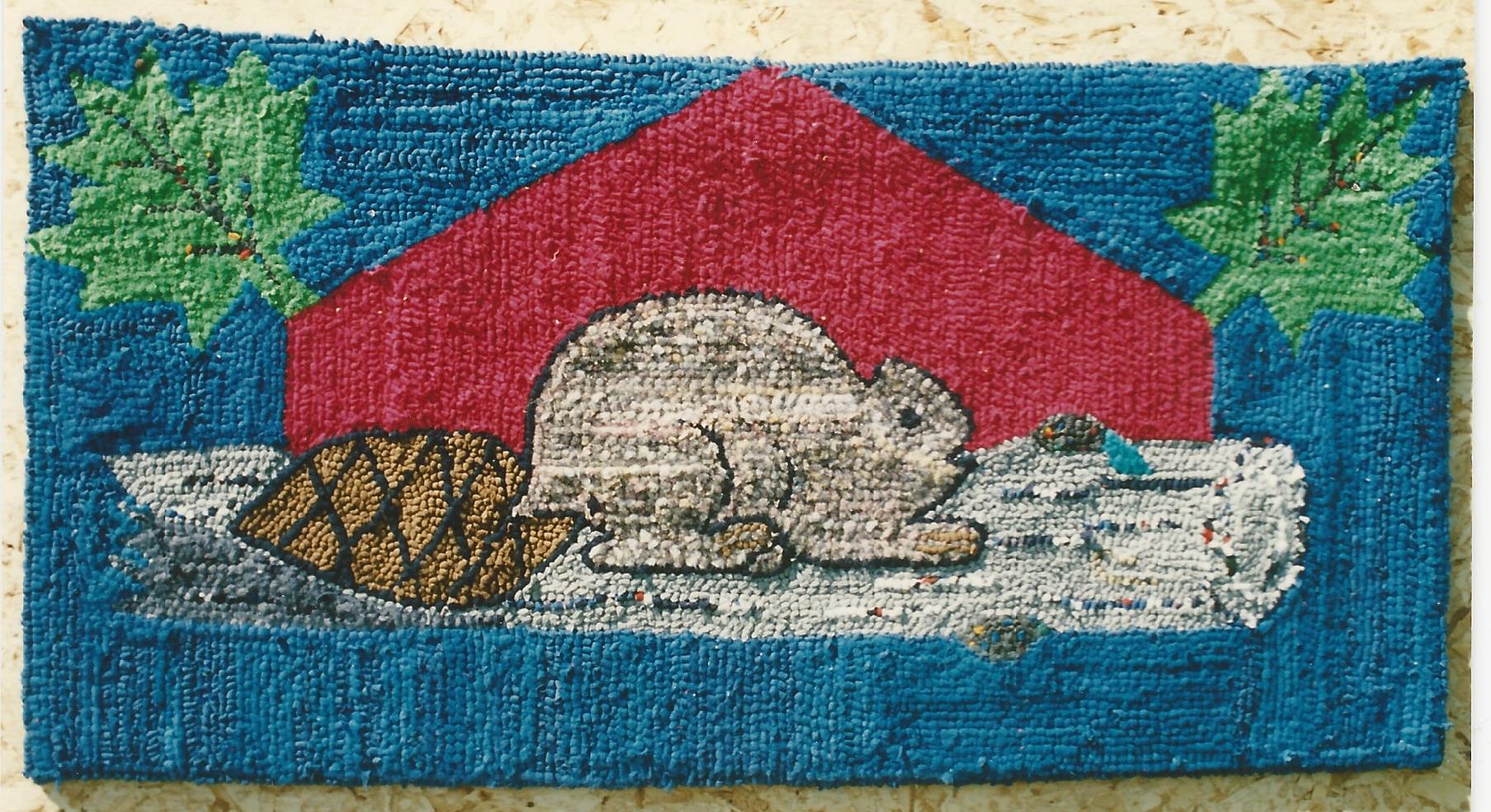
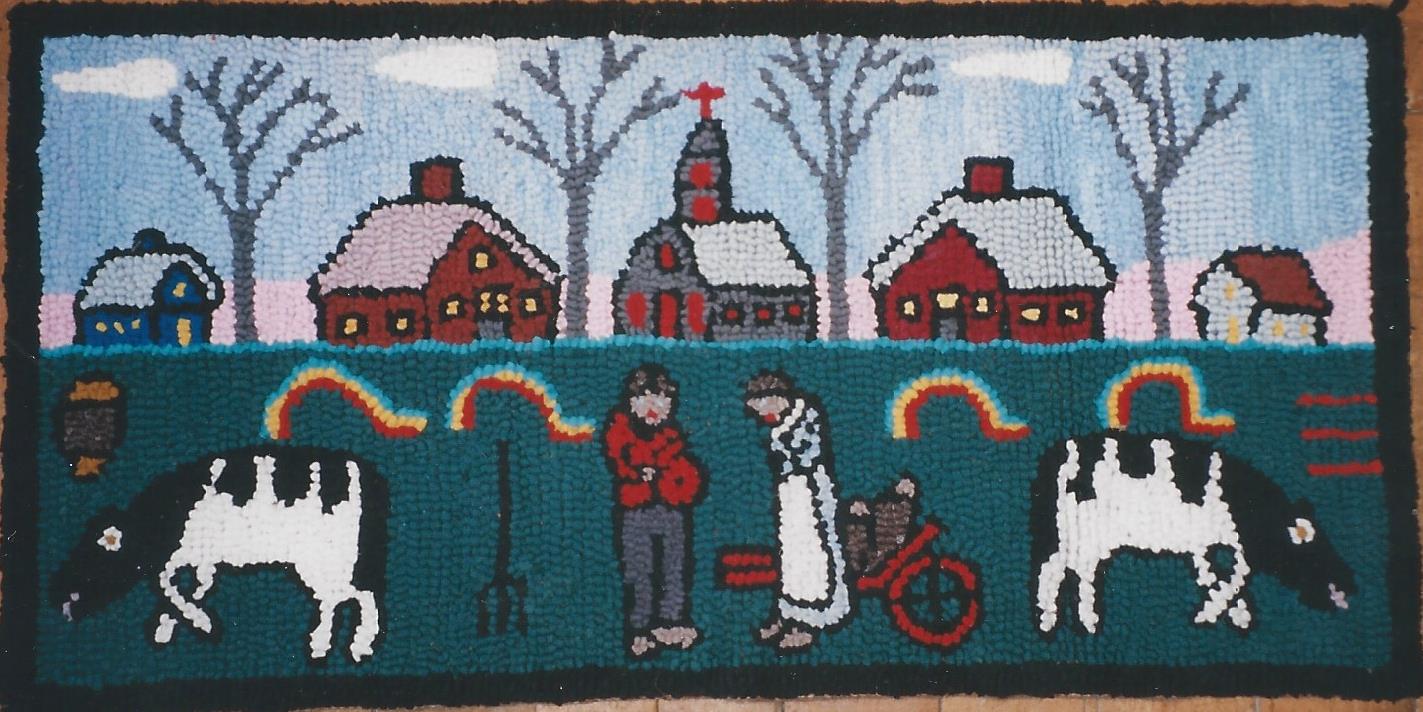
Our attention moved from her to the rugs, and we were immediately taken with the charming original subjects, the vibrant colors, and the workmanship.  The expected florals and geometrics were interesting, but what caught our attention were the many depictions of rural Quebec life.  Scenes of bringing in the ducks at night, of workers stopping in the field to observe the “angelus” or moment of prayer at 6 pm, a sugaring scene in early spring, a farmer about to feed the animals, and so on.  There were also riffs on classic themes like a beaver on a log, a maple leaf. As well there were tables full of multi coloured runners. Rainbows in fabric everywhere you looked.  The prices were very reasonable considering the amount of work that went into them, and you could see that they were well made, and would wear well.  She was surprised and delighted when instead of choosing one or two, we bought a dozen or so.  We explained who we were and that we were buying for resale, and that if they should sell as we thought they would we would soon be back for more.  And so it was. They went like hotcakes and within a month we were back buying about twice as many as before.  Madam Tessier grew to look forward to us pulling up.

farmer and his yellow wagon

farmer and his yellow wagon

tesrug7

farmer in the yard

After a few visits she asked us into the adjacent house for tea.  She explained that she had lived there all her life with her brother, but that he had recently passed away so she was now there on her own.  She said she didn’t mind because she had many friends in the village and was never alone for very long. It was lovely to sit in her kitchen and have tea and listen to her story.  It took me several minutes before I noticed something peculiar about the walls.  As I looked more closely at the tongue and groove wood grained boards which ran from floor to ceiling, I realized that they were not wood paneling at all, but rather a hand painted facsimile.  I couldn’t believe it.  The whole room had been meticulously grain painted by hand.  Every groove and the wood grain was done free hand, one at time. Then I realized that where there was a painting on the wall, that the painting had been done in the same hand right on the wall with a painted frame around it, as it should be. Amazing.  Can you imagine how long it would take to do something like that?  I had to ask her.  “oh that.  Yes, that was my brother’s project later in life.  He volunteered to paint the place but then he got the idea of the wood grain so it took him several years.”  He completed many rooms before he died.”  You could see she was proud of her brother’s accomplishment.

beaver on a log

beaver on a log

It’s funny what sticks with you in life.  Sitting in that room, drinking tea with Madam Tessier and coming to the realization that the entire room I was sitting in was faux painted freehand by her brother remains as vivid in my memory today as the day it occurred.  I’d imagine that the conclusion of a psychiatrist would be obsessive/ compulsive behavior, but to me it felt like an act of a deep dedication to the concept of beauty and love of environment, not to mention persistence.  I had a deep feeling of warmth come over me, and I knew I was in the presence of true inspiration.   Madam Tessier there smiling benevolently with her white powder make up and piled up Victorian hair.

farmers pausing to pray the Angelus

farmers pausing to pray – the Angelus